
Do you need a dehumidifier with AC in Wisconsin

Step 1 of 3: Equipment

Do I need a dehumidifier if I already have AC in Wisconsin?

Your AC keeps the house cool, but on the muggiest Wisconsin days the air still feels damp and sticky even with the thermostat set low. You're wondering whether that's normal, or whether your system is missing something it needs to actually handle the humidity, not just the temperature.

For most of the summer, your AC handles it. On the muggiest stretches, it may not keep up.

An air conditioner pulls moisture out of the air as a side effect of cooling it, not as its main job. On an average summer day that's enough to keep the house comfortable. On the hottest, stickiest days Wisconsin gets, especially if the AC is sized right and doesn't run long enough to pull much water out of the air, the indoor humidity can still climb even as the temperature holds. That's when a whole-home dehumidifier working alongside the AC makes a difference, drying the air without needing the cooling to run longer than the house actually needs.

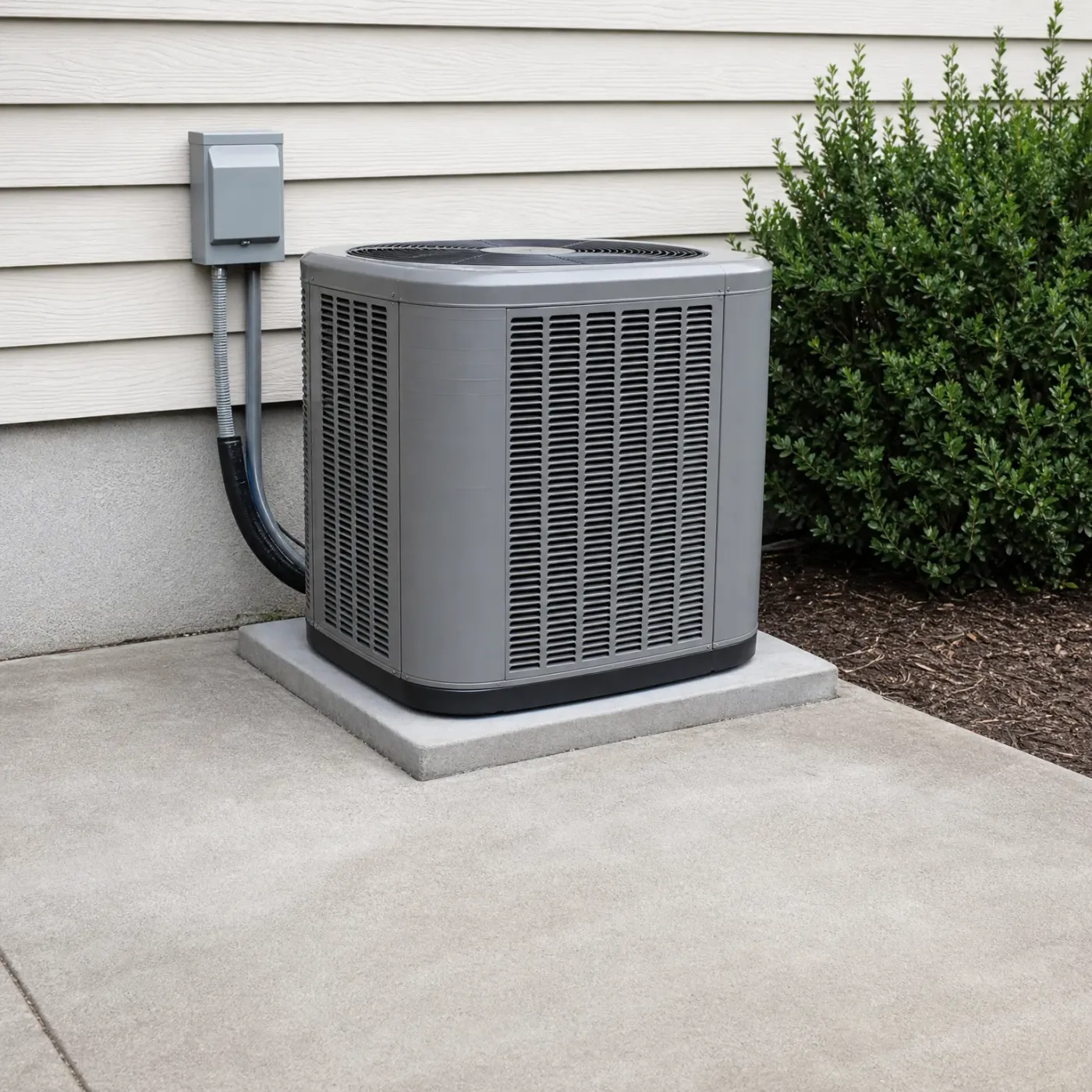
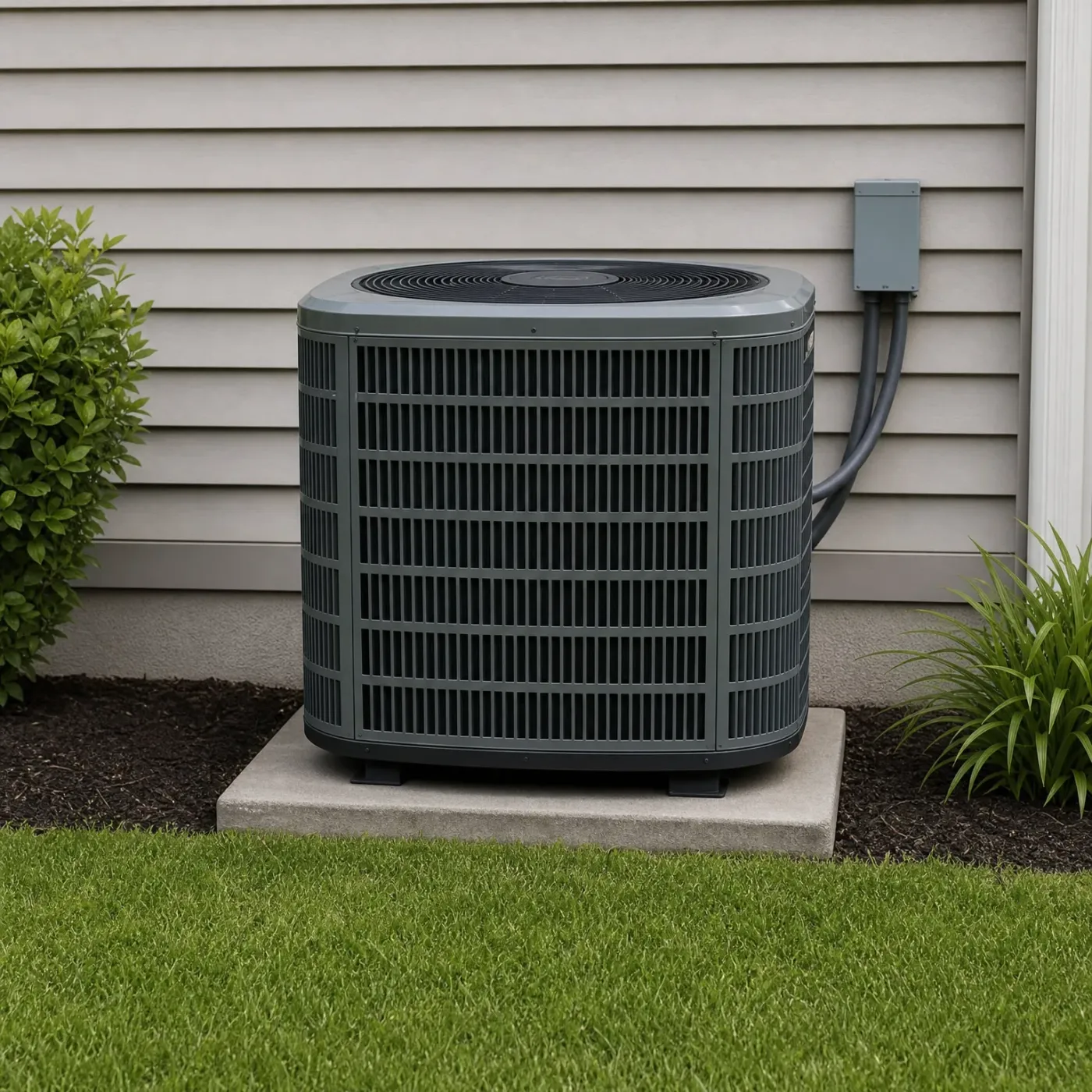
A gray outdoor air conditioner condenser unit on a concrete pad beside a house with light vinyl siding, with an electrical disconnect box and conduit on the wall and a leafy shrub with dark mulch to the right.

AC running fine

This is what a healthy setup looks like. The condenser sits clean on its pad, refrigerant lines wrapped and intact, running steady to pull heat out of the house. It's still only built to cool the air. On a muggy July day it can hit the temperature you set and the house still feels damp.
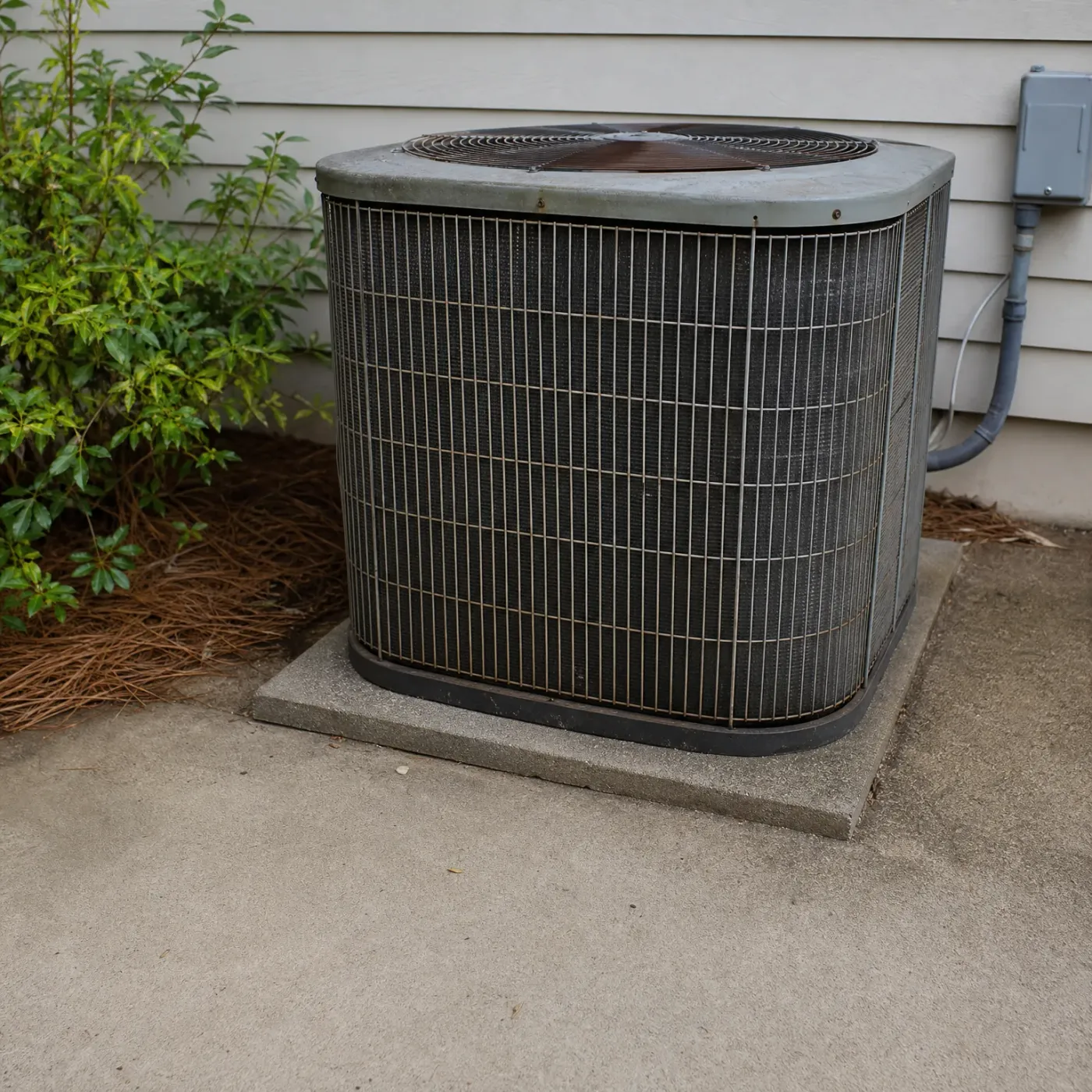

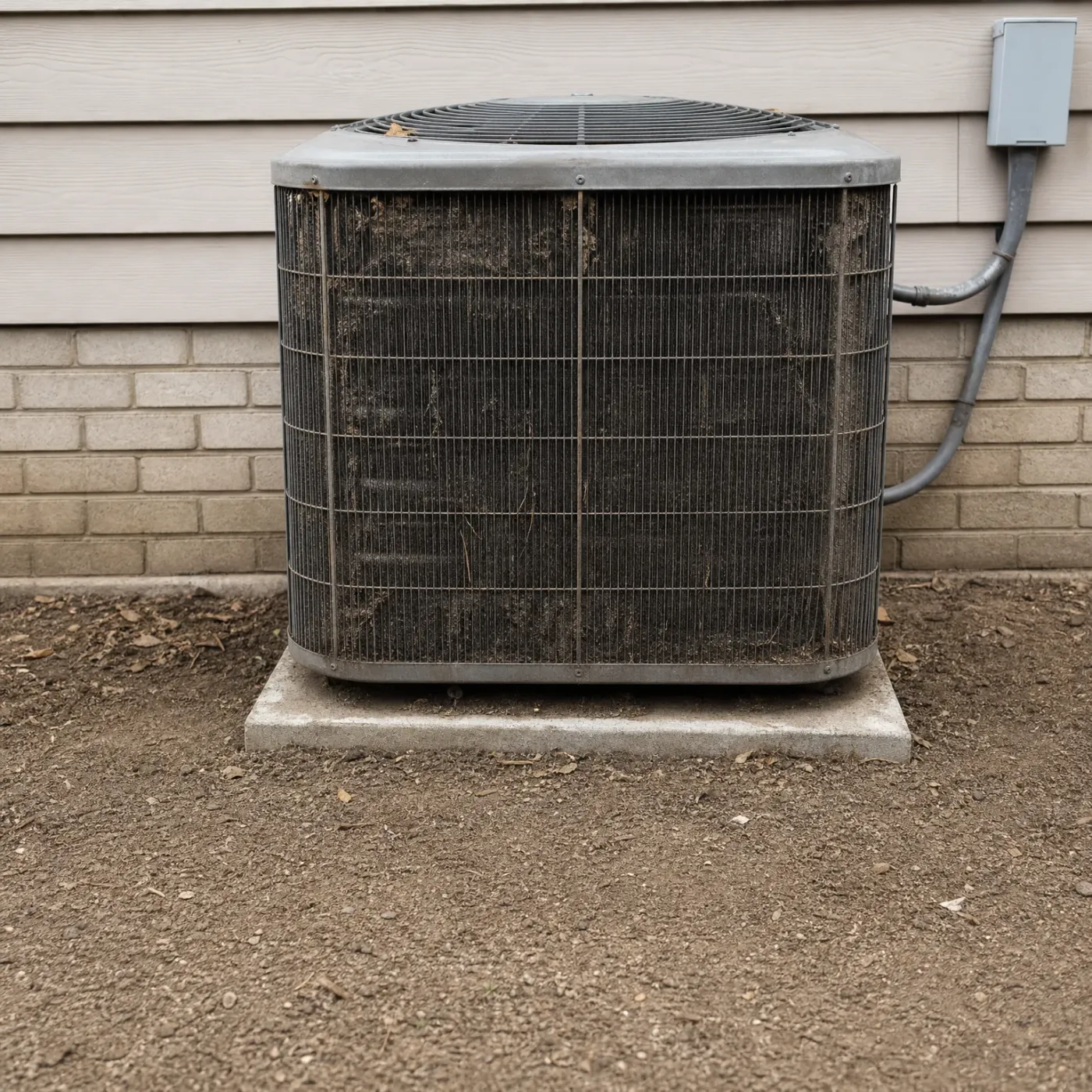
An outdoor air conditioner condenser unit on a concrete pad beside a house with horizontal lap siding, with a gray electrical disconnect box and conduit on the wall and a green shrub over pine-needle mulch at left.

AC under strain

A dirty grille like this means the unit is pulling less air through the coil. It still runs, but it works harder to do less cooling, and runs longer to get there. Longer runtimes without a dehumidifier don't fix the stickiness, they just push your power bill up chasing it.

A smiling man in a denim shirt and white t-shirt stands in an open dark doorway of a stucco house, facing a woman with long brown hair and a green jacket seen from behind in the foreground.

What the damp means for your house

Walk through your house on a sticky August evening and you'll feel it before you see it. Doors that stick in their frames. A musty smell in the basement. Condensation beading on cold pipes or the inside of windows. That moisture doesn't just make the house feel clammy, it gives mold somewhere to grow and makes wood swell, and your AC running longer to chase a cooling setpoint won't dry the air out on its own.

Running the AC harder to fight the stickiness costs you on a power bill that's already high in Wisconsin, and it still won't pull the humidity down to where it needs to be. A whole-home dehumidifier tied into your ductwork handles that separately from temperature, so your AC can do the cooling it was built for. A local contractor who installs these in Wisconsin homes every summer can look at your ductwork and your basement and tell you what size unit your house actually needs.

A gray upholstered sofa with a matching cushion sits beside a potted plant and a wooden table holding a small green plant in a stone pot, near a curtained window.
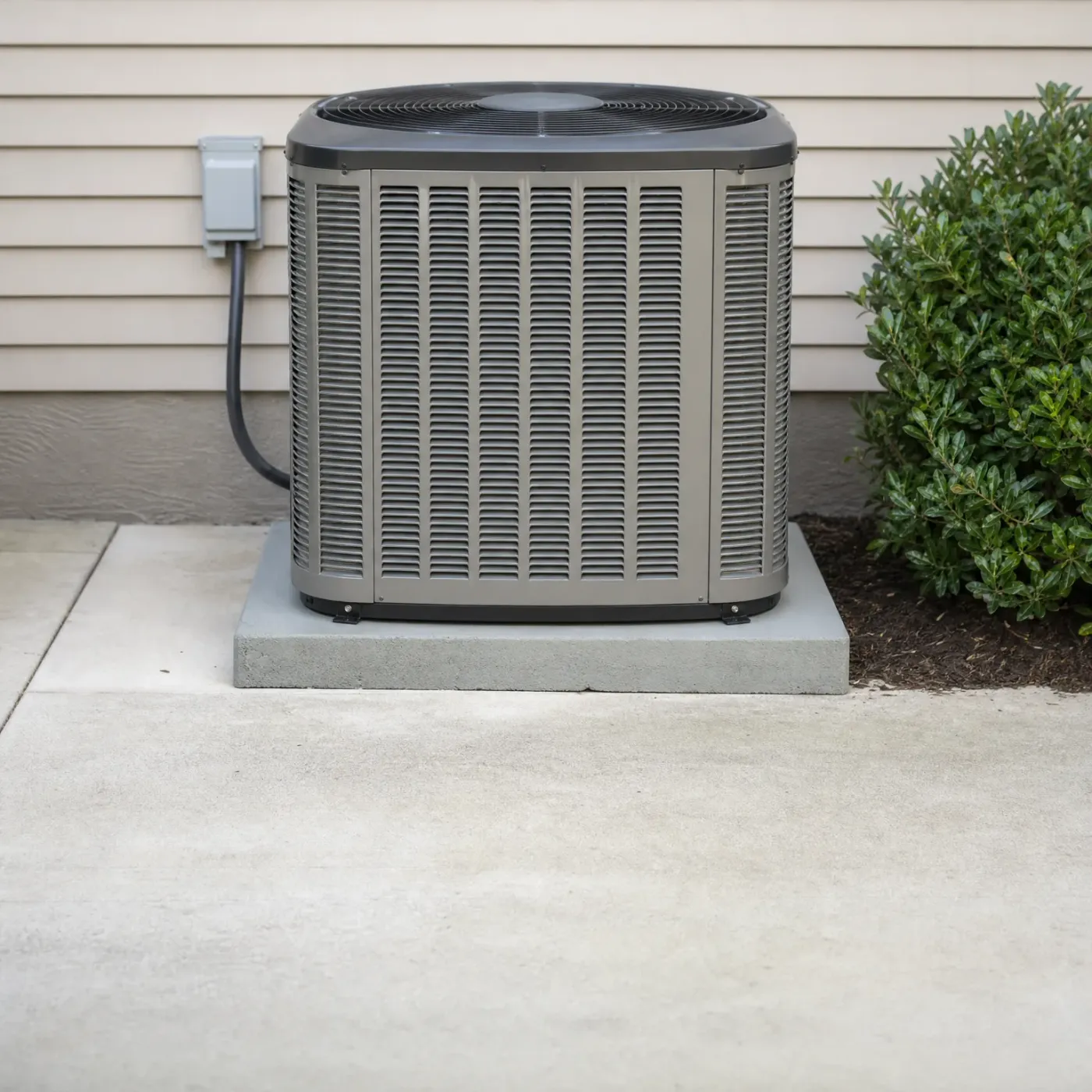
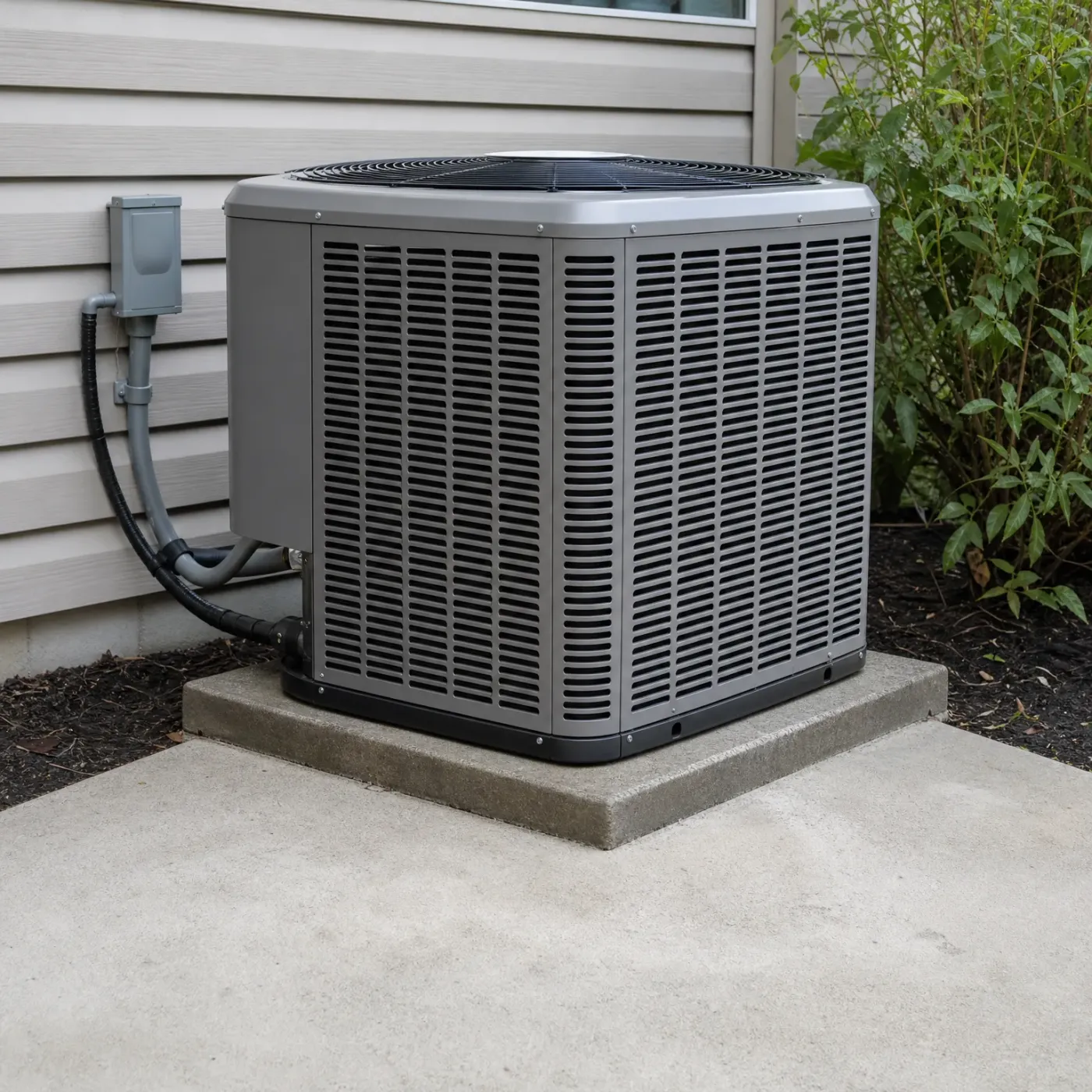
A gray outdoor air conditioning condenser unit on a concrete pad beside a house with horizontal lap siding, with a wall-mounted disconnect box and conduit to the left and a green shrub with mulch to the right.

AC working as it should

A clean condenser like this one moves heat out of the house without a fight. Airflow through the fins stays steady, so the system holds its cooling capacity on the hottest days. It still only lowers temperature, not humidity, but at least it's doing that part fully.

A dirty outdoor air conditioning condenser unit on a concrete pad beside a house wall with horizontal siding above a painted brick foundation, with a gray electrical disconnect box and conduit on the wall.

AC fighting its own coil

When the fins clog like this, the unit can't shed heat the way it was built to. It runs longer to hit the same temperature, and the air it puts out holds more moisture than it should. A dehumidifier doesn't fix this. A cleaning does.

Whole-Home or Portable Dehumidifier

Whole-home dehumidifier

  • Ties into your ductwork so it treats every room the AC serves, not just the one where a portable unit sits.
  • Runs off its own humidistat, so it kicks on based on moisture in the air rather than the thermostat setting.
  • Keeps pulling moisture out of the basement and lower levels even when the AC itself isn't calling for cooling.
  • Drains on its own through a condensate line instead of a tank you empty by hand.
  • Sized to the square footage of your house, so it can keep up on the stickiest Wisconsin afternoons without running constantly.
  • Works alongside your furnace's blower, since most Wisconsin homes already have the ductwork a whole-home unit needs.

Portable dehumidifier

  • Covers one room at a time, so a damp basement and a sticky upstairs bedroom each need their own unit.
  • Needs the tank emptied regularly or a hose run to a drain, or it shuts itself off once full.
  • Can be moved to wherever the air feels worst that week, which helps if only one room ever gives you trouble.
  • Adds its own noise and a bit of heat back into the room while it runs.
  • Has no tie to your AC or furnace, so it's one more appliance to plug in, maintain, and eventually replace on its own.
A gray-haired bearded man in a dark coat and scarf dusted with snow stands smiling in a dimly lit entryway with a white front door, a side table with a lit lamp, an oval mirror, and a patterned rug.
An older bearded man in a dark snow-dusted coat and gray scarf stands just inside a dimly lit home entry, with a framed picture, lit table lamp, and an adjoining room with a fireplace behind him, and snow visible through the open door.
A gray-haired, bearded man in a dark snow-dusted coat stands smiling in a dimly lit entry hall with a staircase, a lit table lamp, a framed picture, and a living room visible through a doorway.
An older man with gray hair and a beard, wearing a dark jacket dusted with snow, stands smiling in a dimly lit hallway with lamps and a living room visible behind him.

An air conditioner pro near you

One installer gets your project, so there's no bidding war over it.

It costs nothing to send, and you don't have to hire anyone.

Why your AC alone falls short

An air conditioner lowers temperature by pulling heat out of the air as it passes over the evaporator coil. Moisture only comes out as a side effect, when humid air condenses on that cold coil. Once the thermostat is satisfied, the system shuts off, whether or not the air is still damp. On a muggy Wisconsin day the house can hit 72 degrees and still feel wet, because cooling the air and drying it are two different jobs, and the AC is only built to do one of them.

What a humidistat changes

A whole-home dehumidifier runs on its own humidistat, a sensor that tracks moisture in the air the way a thermostat tracks temperature. It kicks on when humidity climbs past the level you set, independent of whether the AC is running or the house has already reached its target temperature. That means it keeps working on a cool, overcast day in July just as much as a hot one, which is exactly when a Wisconsin house can feel stickiest even with the AC barely running.

A woman wrapped in a thick beige fleece blanket sits on a sofa with an open book on her lap, beside a lit table lamp, with a frost-covered window behind her.
A smiling older woman with gray hair in a cream knit sweater stands in a dimly lit kitchen beside a window showing snow outside, with a round loaf of bread on the counter in the foreground.

A whole-home dehumidifier taps into your return duct ahead of the air handler. From there it shares the same supply runs your AC already uses, so treated air reaches every room on that system, not just one. It isn't wired to your thermostat. It has its own humidistat, and when that senses too much moisture, it opens a damper and runs a small fan that pulls air across a dedicated cold coil, separate from the evaporator coil your AC uses to cool. The water it pulls out of the air drains through a condensate line, usually the same drain your furnace or AC already runs to. Because the controls are separate, the unit can turn on by itself on a sticky 70 degree evening, the kind where the air feels heavy but the thermostat never calls for cooling. Most models also talk to the furnace blower, so the blower only runs when there's air worth moving, whether that's for cooling, heating, or drying alone.

How a whole-home unit actually runs

  • A whole-home dehumidifier ties into the return duct ahead of the air handler, so treated air moves through the same supply runs as your AC.
  • Its own humidistat opens a damper and runs a small fan to pull moist air across a cold coil built just for drying, separate from the AC's evaporator coil.
  • The unit drains the water it collects through a condensate line, usually tied into the same drain your furnace or AC already uses.
  • Because it has its own controls, it can run on a sticky 70 degree evening when the AC has no reason to turn on at all.
  • Most models coordinate with the furnace blower, so air only moves through the ducts when there's something worth circulating, whether that's cooling, heating, or drying.
An outdoor air conditioning condenser unit on a concrete pad beside a house with horizontal lap siding, with an electrical disconnect box and conduit on the wall and a green shrub to the right.
A condenser running clean like this pulls heat out of the house without working against dirt or clogged fins.
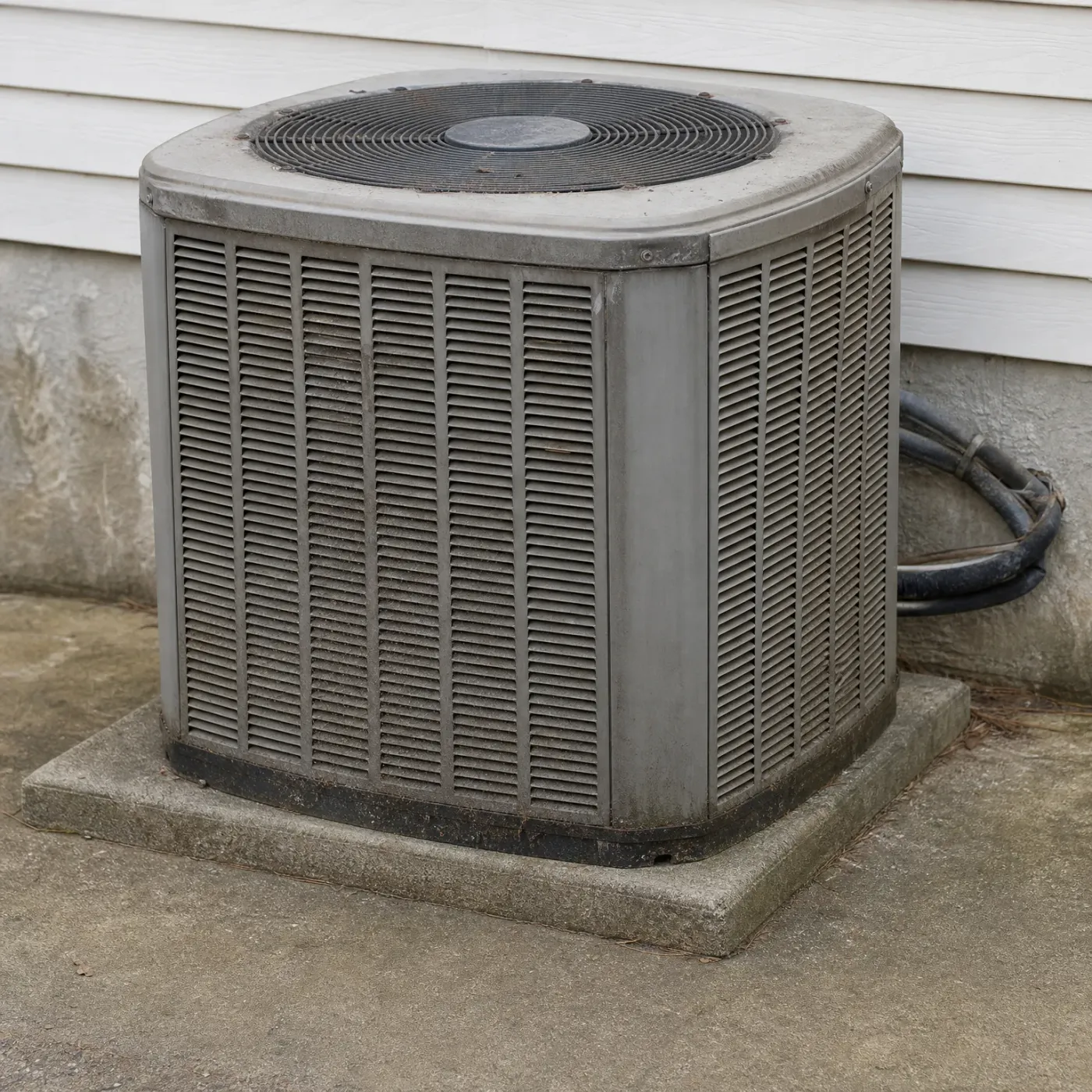
An outdoor air conditioner condenser unit on a concrete pad beside a house with horizontal siding and a lower concrete foundation wall, with coiled refrigerant lines at right.
An older unit caked with grime like this loses airflow, so it struggles on the muggiest days when you need it most.
A single-story gray horizontal-siding house with multiple front-facing gables, white-trimmed windows, a dark front door, and a concrete walkway crossing a partly dry lawn under a clear blue sky.

A government weather station average puts the summer dew point here at 60°F across June, July and August. That's the number that tells you how the air actually feels on your skin, not just what the thermostat reads. At that level your AC is running long stretches just to keep the house at temperature, and the coil only pulls out as much moisture as happens to condense along the way. You'll notice it in small things: the air handler cycling more than you'd expect, cold rooms that still feel clammy, a window that fogs up even though the house is cool.

NASA POWER T2MDEW county cells weighted by homes

What are you noticing in your own house right now

You might not see any of this until you go looking. Check the closets for a musty smell that wasn't there last summer. Run a hand along the basement wall and feel if it's damp. Look at wood trim around doors and windows for any cupping or swelling. Set out a pair of leather shoes for a week and see if they pick up mold. None of this means your AC is failing. It means the air it's cooling still holds more moisture than the house can handle. Left alone through another Wisconsin summer, that moisture works on wood, drywall and anything stored in the basement, and it gives mold the damp surface it needs to take hold.

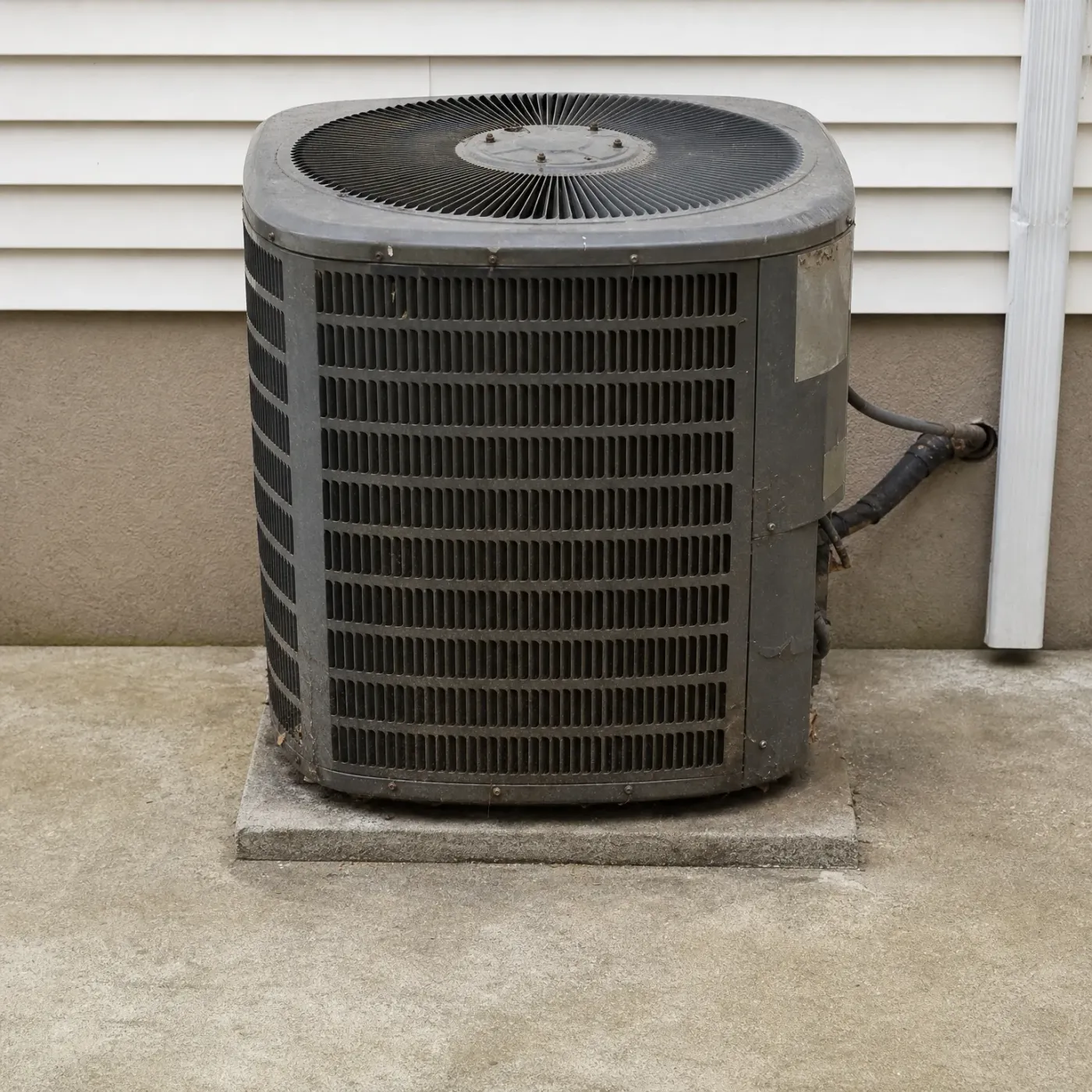
An outdoor air conditioner condenser unit on a concrete pad beside a house wall with stucco lower section, horizontal siding above, and a white downspout to the right.
Before you get your air conditioner installation
A gray outdoor air conditioning condenser unit on a concrete pad beside a house with horizontal lap siding, with a wall-mounted electrical disconnect box and refrigerant lines, shrubs, mulch and lawn around it.
After you get your air conditioner installation

Power costs 18.08 cents per kilowatt-hour statewide

At 18.08 cents a kilowatt-hour, running your AC harder and longer to fight sticky air costs more than it should. A dehumidifier shares the load, so your AC isn't doing double duty against both heat and moisture every time it cycles on.

EIA-861 2025 statewide residential average

So the answer is yes, if you want the house to feel dry as well as cool. Your AC was built to pull heat out of the air, not moisture, and on a humid Wisconsin afternoon that's the gap you keep running into. A whole-home dehumidifier closes it by tying into the same ducts your AC already uses, treating every room instead of one. Getting this installed right means matching it to the ductwork and the AC you already have, which is the kind of judgment a contractor who works on these systems all summer develops from doing it on houses like yours, not from a one-time visit. When you request an installation here, you're matched with one licensed local contractor rather than several competing for the job, so you're dealing with a single person who knows the equipment and can speak plainly about what your house needs. From there, it's a conversation about your specific setup, not a sales pitch.

A wooden front door with six small glass panes and a narrow sidelight, set in a shingled house entry with white trim, reached by stone steps flanked by a planted urn with purple flowers and leafy branches in the foreground.
Exterior corner of a house with beige horizontal lap siding and a black-framed window, with white hydrangeas, ornamental grasses and low plantings along a flagstone patio.
Corner of a house with tan lap siding and a window, a brick step edge, flowering white hydrangeas and green shrubs beside a flagstone walkway leading to a white picket fence and a tree in backlit sunlight.
House exterior with cream horizontal lap siding, a dark-framed window, a black wall lantern beside a wood door, potted shrubs on stone steps, and white and pink hydrangeas in the foreground garden.
Corner of a cream lap-sided house with a white-framed window and dark shingled roof, beside a white-flowering hydrangea shrub, a clipped hedge, mulched bed and lawn.

A local pro for your air conditioner installation

Only one pro gets your request, so you hear from one company.

Request a pro

No charge to send it. You decide if you hire them.