 Get matched
Is a two-stage AC worth it in Wisconsin
Describe your air conditioner job, and a local pro who handles it gets in touch.
A two-stage air conditioner runs on low most of the time and only kicks into high when a Wisconsin summer actually earns it. That matters here because the sticky stretch is real but it isn't constant. A single-stage unit treats a mild 78 degree day the same as a 95 degree one, blasting full output and shutting off, over and over. A two-stage system sits on low, running longer and steadier, and saves the second stage for the days that need it.
With power costing what it does here, that difference shows up on the bill. It also shows up in the house itself. Longer, lower runs pull more moisture out of the air than short blasts of full-blast cooling, which is part of why a two-stage system tends to leave a Wisconsin home feeling less clammy on an August afternoon.
Whether it's worth it for your house depends on things a page can't tell you. The size of your home, the duct system already in place, how your gas furnace is set up if it shares a blower with the AC, all of that changes the math. A system sized and installed wrong, stage count aside, won't deliver what it should.
That's the part that's hard to answer sitting at a computer. It takes someone who can look at your actual setup and tell you whether two-stage fits your house, your furnace, and what you're trying to fix about how your summers feel.
Once you send the details, that search becomes someone else's job. A contractor who installs these systems in homes around Wisconsin gets matched to your situation and reaches out to you directly. You stop hunting for the right fit and start hearing from someone who already knows what you're working with.
Yes, for most Wisconsin homes a two-stage air conditioner is worth the extra cost over a single-stage unit. Wisconsin summers swing between stretches of real heat and long muggy days that never quite hit extreme, and a two-stage system matches that better because it spends most of its time on low, running longer and pulling more moisture out of the air instead of blasting cold and shutting off. That lower stage also runs quieter and wears the equipment less, since it isn't slamming on at full output every time the thermostat calls. On the handful of 90 degree days, it shifts into high the same as a single-stage unit would. The tradeoff is a higher price up front. Whether that's worth it to you depends on how long you plan to stay in the house and how much the humidity bothers you now.
Power costs 18.08 cents per kilowatt-hour statewide
At that rate, every hour your AC spends running on high instead of low shows up on the bill. A single-stage unit gives you one speed, full power, every time it starts. A two-stage system spends most of a Wisconsin summer on low, so fewer of those expensive hours get used at all.
EIA-861 2025 statewide residential average




The thermostat calls for cooling and the system starts on low.
The compressor runs at about sixty percent capacity to start.
A sensor tracks how fast the indoor temperature is dropping.
If low can't keep up, the compressor shifts into high.
Why does your AC run all day and still feel muggy
You notice it most on the thick, still days: the AC never seems to shut off, but the house still feels damp. That's a single-stage unit doing what it was built to do, blasting full power until the thermostat is satisfied, then stopping. It cools the air fast but doesn't run long enough to pull much moisture out of it, so the room reads cool but feels clammy. You might also notice the temperature swinging a few degrees between cycles, or the system short cycling on milder days when it doesn't need full power at all. Left alone, that extra moisture sitting in the house can feed mold around vents and windows and puts more wear on a system that's already working harder than it needs to.
A dew point in the 60s is what makes air feel wet instead of just warm, and Wisconsin averages a 60°F dew point across June, July and August. That's enough moisture in the air that your AC spends real time just wringing water out before the house feels dry. A single-stage unit blows past that step fast, full power, short cycles, and leaves the air cooled but still clammy. Running on low longer, the way a two-stage system does, gives the indoor coil more time with air moving across it slowly, which is what actually pulls moisture out. If you're deciding what to install this season, a contractor who knows how Wisconsin's humidity behaves can size and set up a system around that, not just around temperature.
Source: NOAA
NASA POWER T2MDEW county cells weighted by homes
A local pro for your air conditioner installation

Once you send the form, finding a pro is off your list.
Sending the form costs nothing.
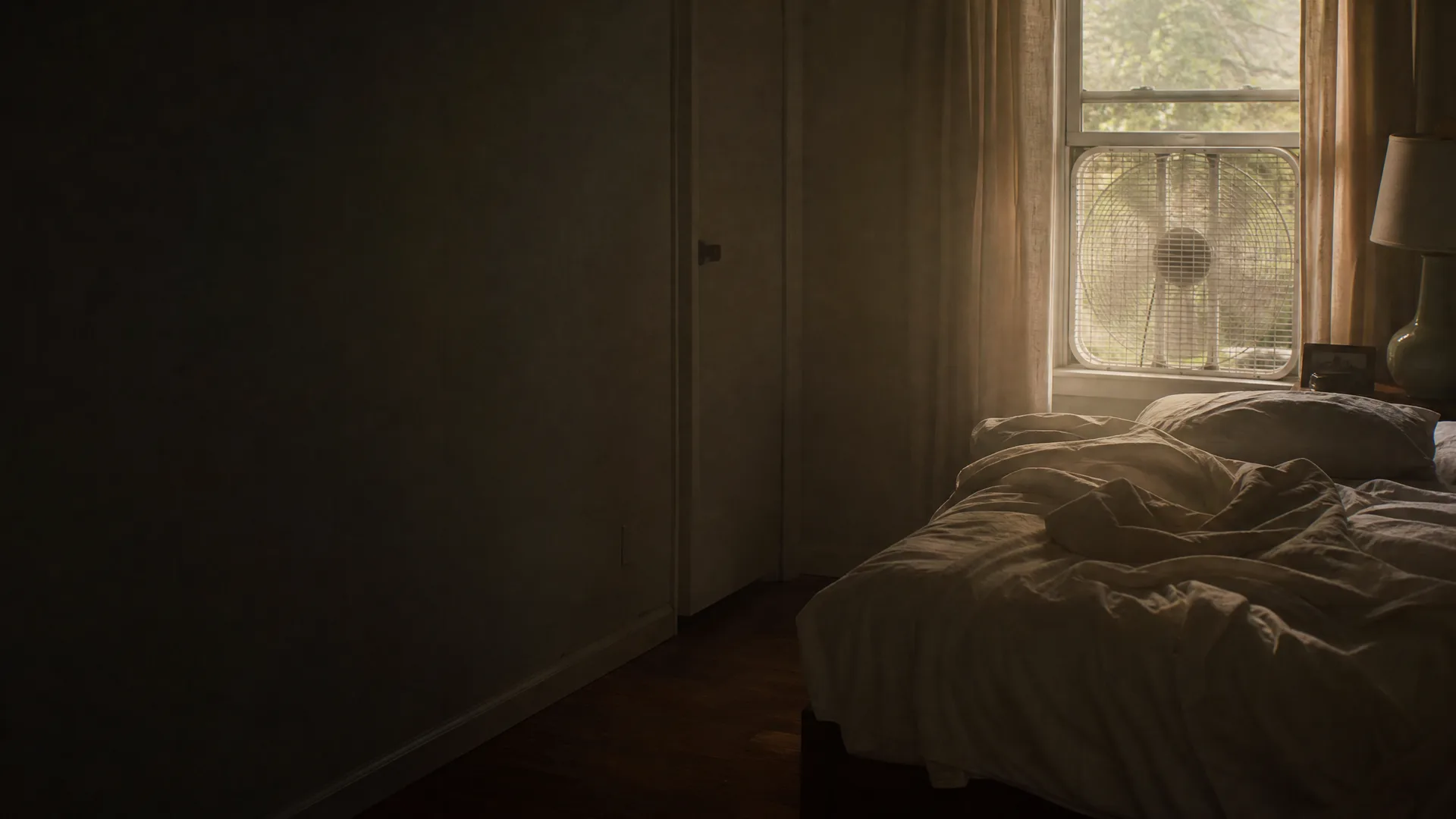
It's almost nine and still light out. You're upstairs and the box fan in the window is just pushing the warm air around instead of cooling anything. The sheets feel damp already. Downstairs the AC kicks on again, you can hear it through the floor, and it'll run for a while and then quit, and the room will feel about the same as it did ten minutes ago. You picked tonight's outfit by what weighs the least. Somewhere past eleven it might actually cool down enough to sleep without the fan pointed straight at your face.
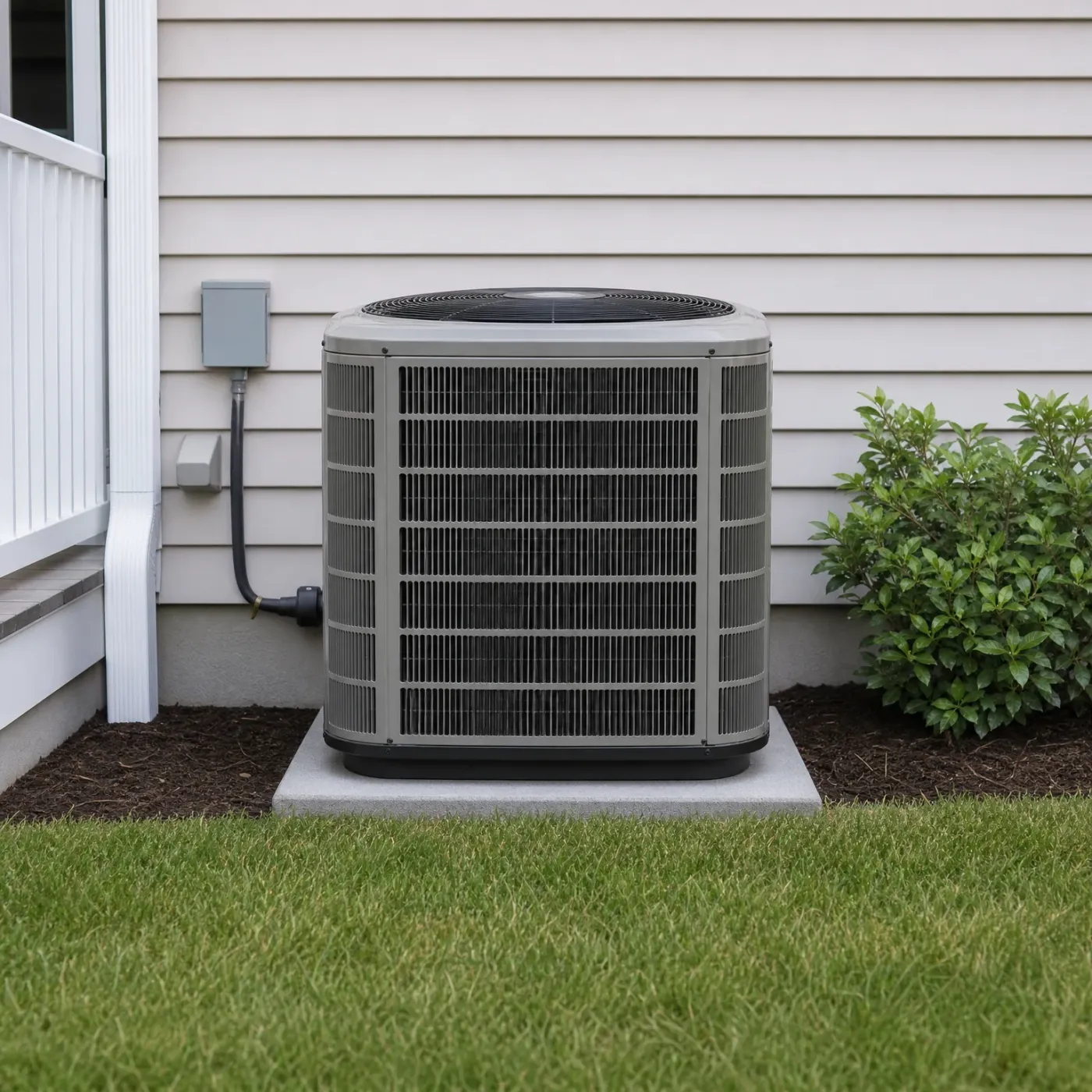
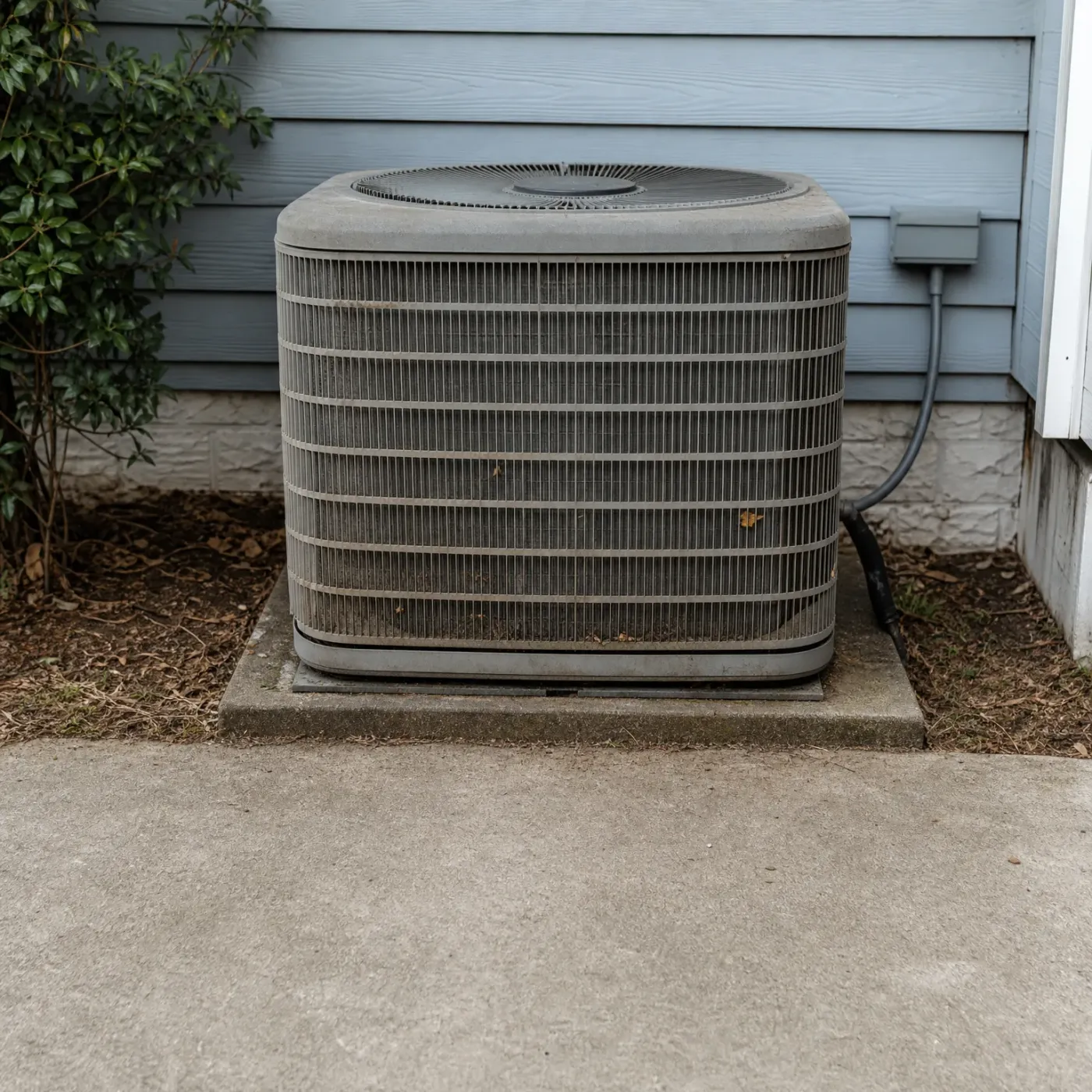
Single-Stage vs Two-Stage AC
Single-Stage
- Costs less to install than a two-stage system, which matters if the budget is tight this year.
- Runs at full power every time it starts, so it cools fast on the hottest days of July and August.
- Has fewer parts that can fail, since there's only one compressor speed to maintain.
- Short-cycles on mild days in the 70s, shutting off and on instead of running steady, which leaves the air feeling damp.
- Any licensed HVAC contractor can install or service one, since it's the simpler of the two systems.
Two-Stage
- Costs more upfront than a single-stage unit of the same size.
- Runs on low through most of a Wisconsin summer, only shifting to high when the heat actually calls for it.
- Holds a steadier indoor temperature on muggy days instead of cycling on and off.
- Pulls more moisture out of the air on low because it runs longer at a gentler pace, which matters given how sticky Wisconsin summers get.
- Needs correct sizing and setup to get the benefit of the low stage, so installation quality matters more than with a single-stage system.
- Depends on a gas furnace or air handler that can pair with its staged operation, which most Wisconsin homes already have.



So is it worth it in Wisconsin
A two-stage AC is worth the extra cost for most Wisconsin homes. Summers here spend more time muggy than they do truly hot, and a system that can run low through those long, damp stretches is doing less work than a single-stage unit blasting full power to hit the same spot on the thermostat. On the handful of days that call for everything it has, it shifts to high and runs like any other AC would.
If you've read this far, you already know what your current setup does and doesn't handle well. That's the part worth handing to someone who can look at your house, your ductwork, and what's actually installed now. A contractor who works on Wisconsin homes can tell you what a two-stage system would mean for yours specifically, and whether this is the year to make the switch.


Air Conditioner Installation
Get the right pro for your air conditioner
- A local pro who knows air conditioners gets your details and gets in touch.
- Get in touch with a local installer about a new air conditioner.

- Send the form and the search for an installer is over.
- Send the request and finding a pro stops being your problem.

- Answer a few questions instead of calling shop after shop.
- Describe your air conditioner job once, to one pro.

- Your request goes to one pro, not a list of companies.
- One installer gets your project, so there's no bidding war over it.