





Is a variable-speed AC worth it in Wisconsin

After this form, you can stop searching for an air conditioner pro.

Hand it off

Is a variable-speed air conditioner worth it in Wisconsin?

Summers in Wisconsin get sticky, and a central air conditioner has to run through that humidity for a few months while also sitting idle most of the year in a house that heats with gas. You're looking at a variable-speed system and trying to work out if the extra cost over a standard one-speed unit actually earns its keep here, or if it's more machine than your house needs.

Yes, especially for comfort and humidity control through the summer

A variable-speed AC runs at low output most of the time instead of switching full blast on and off. That matters in Wisconsin because the long, slow runs pull more moisture out of the air than a standard unit's short bursts do, so the house feels less sticky at the same thermostat setting. It also runs quieter and holds a steadier temperature room to room. Because power here costs more than in a lot of places, the lower electric draw from running at part speed instead of full blast adds up over a Wisconsin summer. The trade-off is upfront cost and a system with more parts that can fail, which is why getting it sized and installed right by someone who knows the equipment matters more than with a standard unit.

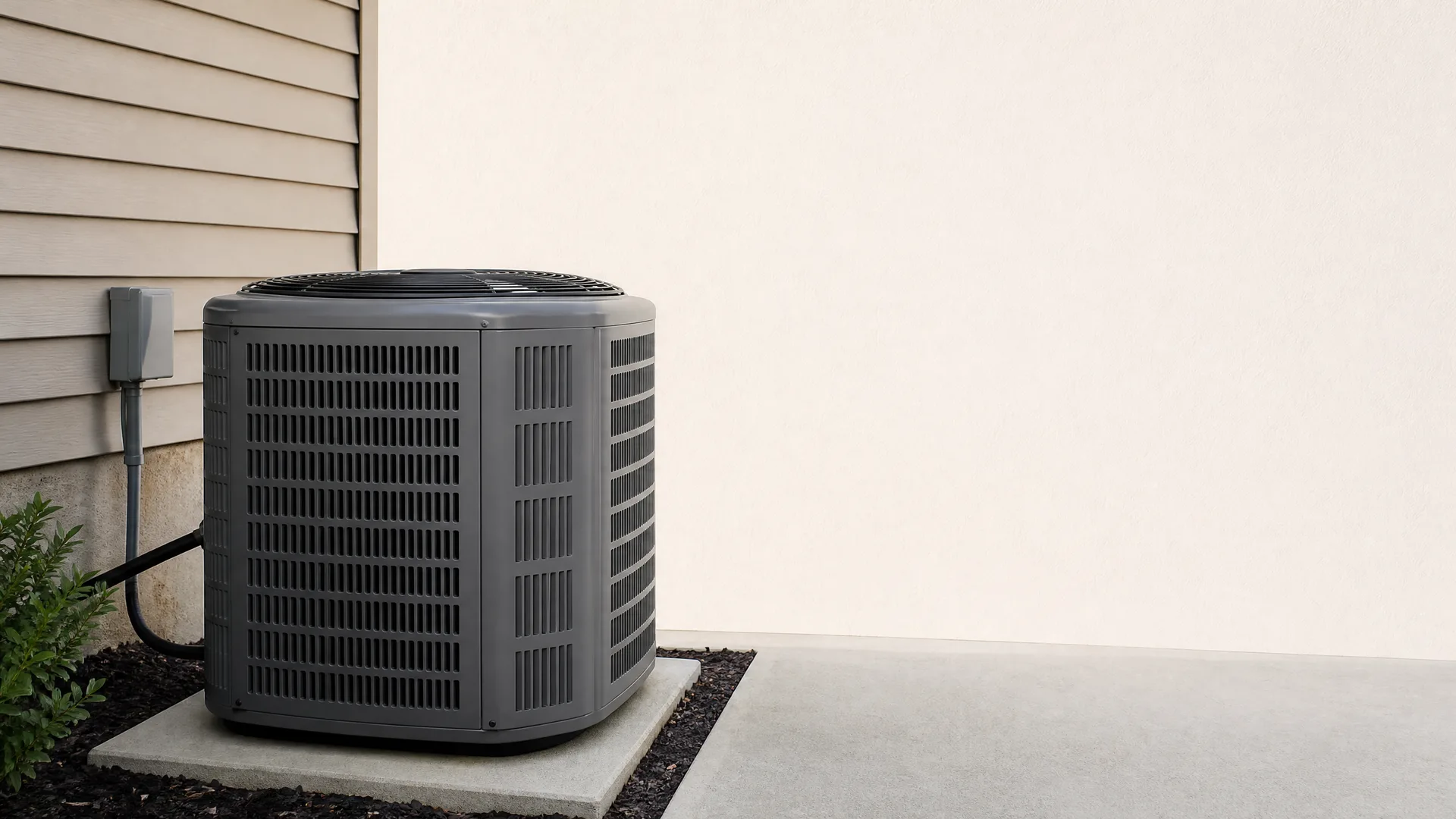
A gray outdoor air conditioner condenser unit on a concrete pad beside a house with horizontal siding and a light stucco wall, with a disconnect box and refrigerant lines on the wall and a shrub and mulch bed at left.

Why humidity is the real test

A single-speed air conditioner runs full blast until the house hits temperature, then shuts off. It cools fast but doesn't run long enough to pull much moisture out of the air. A variable-speed unit runs longer at a lower speed, moving slower air across the coil for more of the hour. That longer runtime is what actually dries the air out, which matters more in Wisconsin than raw cooling power does.

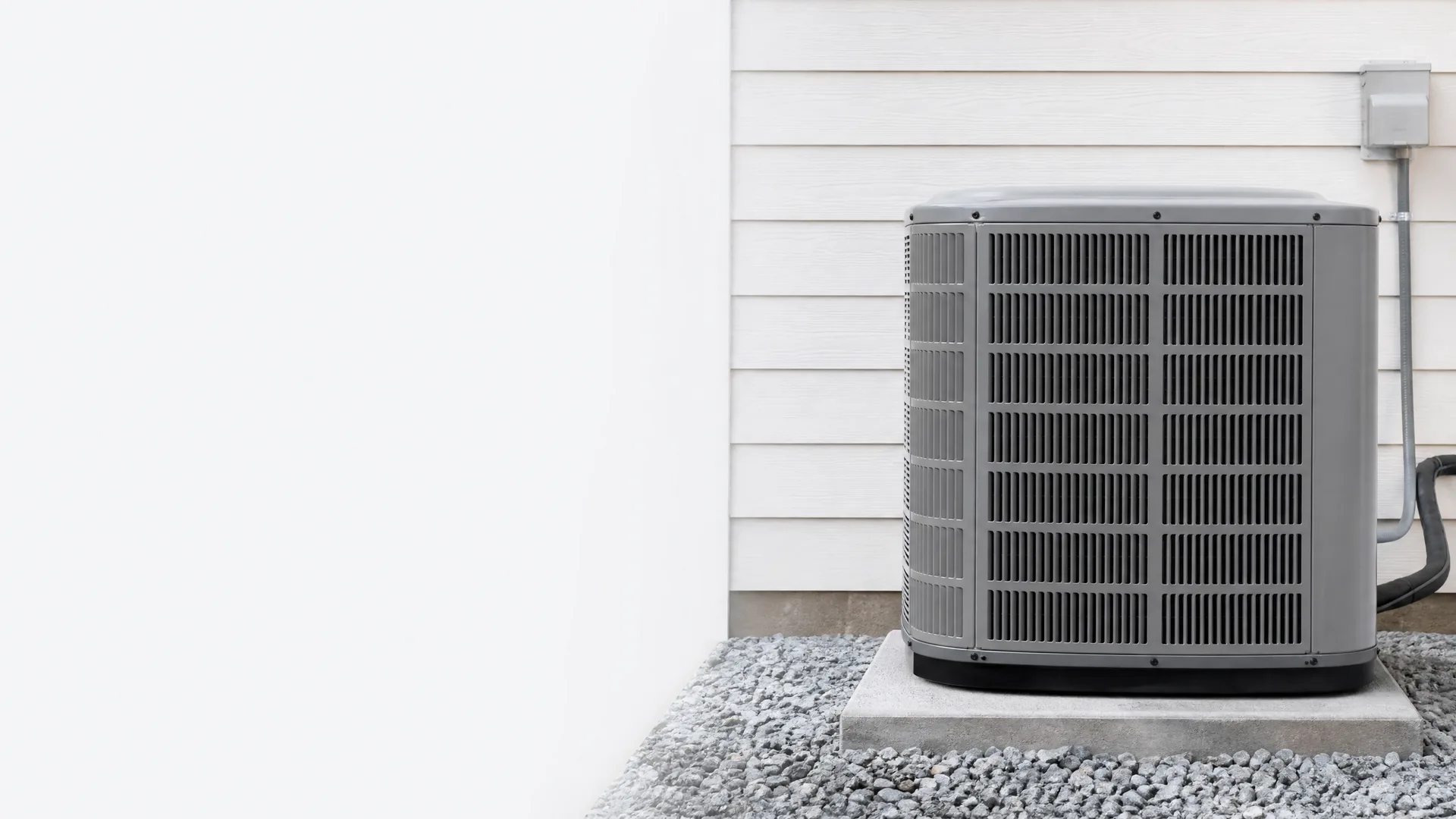
A gray outdoor air conditioning condenser unit on a concrete pad surrounded by gravel, next to a white horizontal-lap-sided house wall with an electrical box and conduit, against a blank white background on the left.

Idle most of the year, still worth it

With gas heat, the AC in a Wisconsin house might only run a few months a year. A variable-speed compressor adjusts its output to match the load instead of switching fully on and off, so it draws less power on the mild days in May or September when the house barely needs cooling. Since electricity here isn't cheap, that matters even on a system that sits unused most months.

Power costs 18.08 cents per kilowatt-hour statewide

At 18.08 cents per kilowatt-hour, every hour your AC runs costs more here than in most of the country. A single-speed unit drawing full power on every cycle feels that rate the most. A variable-speed one sips power on low rather than slamming to full draw each time, so the meter moves slower.

EIA-861 2025 statewide residential average

How the ramping actually works

  • A variable-speed compressor ramps between roughly 25 and 100 percent capacity instead of switching only on or off.
  • A thermostat sensing a one or two degree rise tells the outdoor unit to step up output rather than start from zero.
  • The indoor blower motor adjusts its airflow to match the compressor's speed, so the two stay in step through a cycle.
  • Most cycles run at partial speed, which is why the system can run for hours without short cycling on and off.
  • The same ramping behavior lets the system hold a steadier indoor temperature instead of swinging a few degrees between cycles.
  • A single-speed unit's compressor only has two states, full speed or off, with nothing in between.

A single-speed compressor gets one signal: run or stop. When the thermostat calls for cooling, it jumps straight to full output, cools the house down, and shuts off completely once it's satisfied. A variable-speed compressor gets a range of signals instead. An inverter board controls the compressor motor directly and tells it to spin faster or slower depending on how far the indoor temperature is from the setpoint. On a mild afternoon it might run at a third of its capacity. On a ninety-degree day with the sun on the house all afternoon, it can climb toward full output the same way a single-speed unit does. The indoor blower isn't a separate decision. It's matched to whatever speed the compressor is running, moving less air when the compressor is at low output and more as it climbs, which is why the airflow out of the vents feels steadier instead of alternating between blasting and nothing. Because the system spends most of its time running low and slow rather than cycling on and off, it isn't fighting the big swing in humidity and temperature that comes with a full-blast start every time. That low, steady output is also what lets it hold the house closer to one temperature instead of letting it drift up a couple degrees before the next cycle kicks in.

A man with grey hair and stubble in a dark sweater sits on a grey sofa indoors, looking off to the side, with a potted plant and a sunlit window behind him.
A man with gray hair, a beard and glasses, wearing a dark green sweater, sits on a gray sofa in a sunlit living room with a potted plant, table lamp and wooden sideboard behind him.
A middle-aged man with graying hair and a short beard sits on a blue sofa in a living room, looking toward a window, with a bookshelf, lamp and framed picture in the background.
A man with graying curly hair and a dark green sweater sits on a gray sofa in a sunlit living room, looking off to the side, with a framed picture, shelving, an armchair and a window with sheer curtains behind him.

Send one request and you're done looking

A Wisconsin summer doesn't give your AC a break just because the afternoon cools off. It's the humidity sitting there at 9pm that makes a single-speed unit short-cycle and leave the air feeling damp even after the thermostat says you're at temperature. A variable-speed system fixes that by running long and slow, which is exactly what pulls moisture out, not just heat. Getting one installed right matters more than getting one installed fast. The refrigerant charge, the duct sizing, the airflow across the coil all have to match the equipment, and that's work a local contractor who installs these every summer in this climate knows how to get right the first time. Send the request and a contractor who works on this equipment gets it, not five companies competing for your callback. That alone is worth something when you're trying to get your house dry and quiet before the next heat wave sets in.

When variable-speed earns its keep

If your house runs the AC for most of the summer, a variable-speed unit has the hours to make its case. It spends most of its time on low or mid capacity, pulling moisture out steadily instead of in short bursts. Over a long, humid stretch that adds up to a drier house and a lower bill than a single-speed unit cycling on and off at full power the whole time. A home with upstairs rooms that run warmer than the rest, or a layout that's never cooled evenly, also tends to benefit, since the longer, gentler runtime reaches those rooms better than a blast of full-speed air.
When single-speed does the job fine

If your AC only runs hard on the handful of worst days and sits idle through cooler stretches, a single-speed unit doesn't leave much savings on the table by comparison. It costs less to install, and a local contractor can usually get parts for it without a wait. Houses that already stay even room to room have less to gain from staged cooling, since there's no uneven spot for the longer runtime to fix. For a smaller house, or one where the AC gets light use most summers, single-speed can cool and dehumidify well enough that the step up isn't doing much extra work.

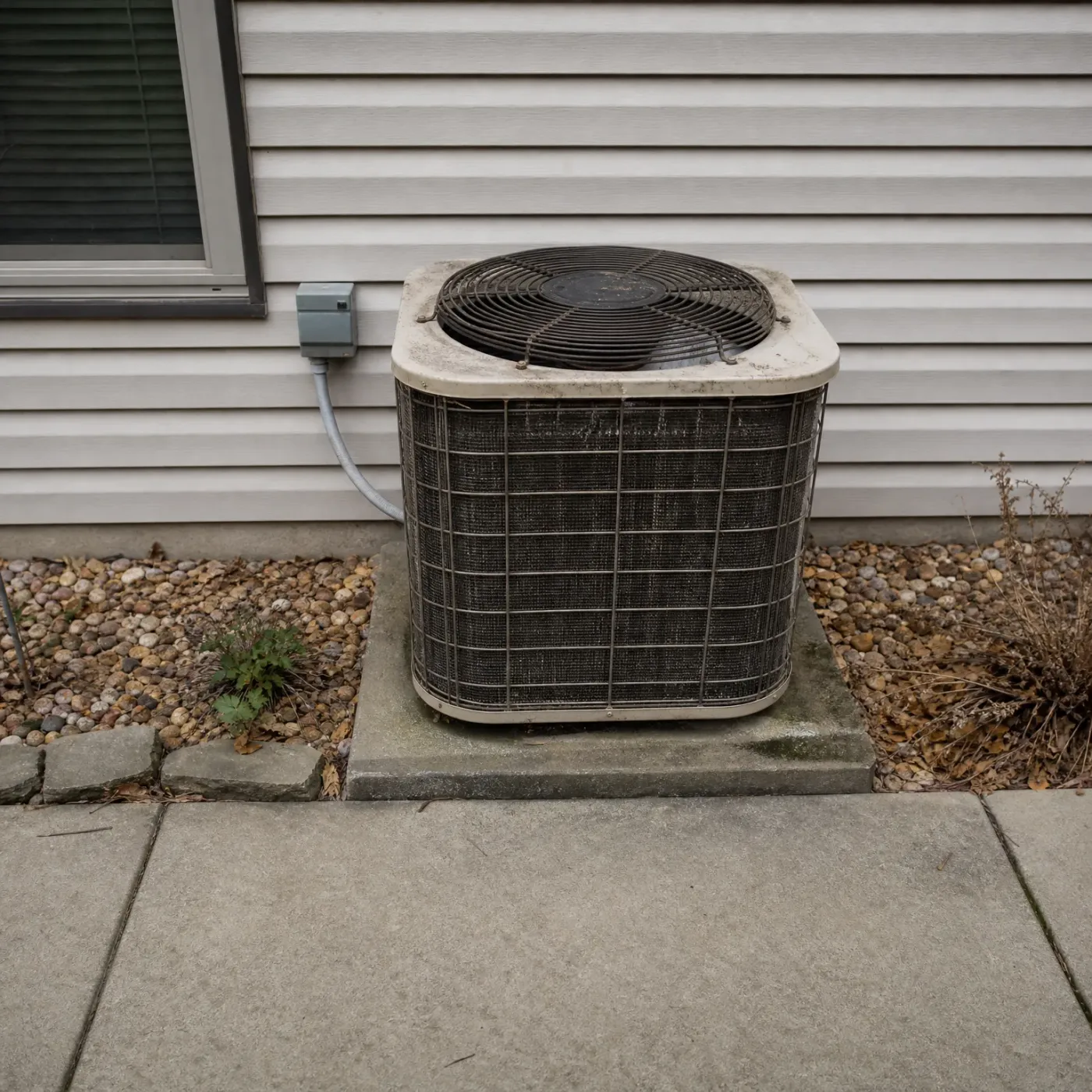
An outdoor air conditioner condenser unit on a concrete pad beside a house with light gray vinyl siding, with a gray electrical disconnect box and conduit on the wall, gravel beds and dried plants nearby, and a concrete sidewalk in the foreground.
Before you get your air conditioner installation
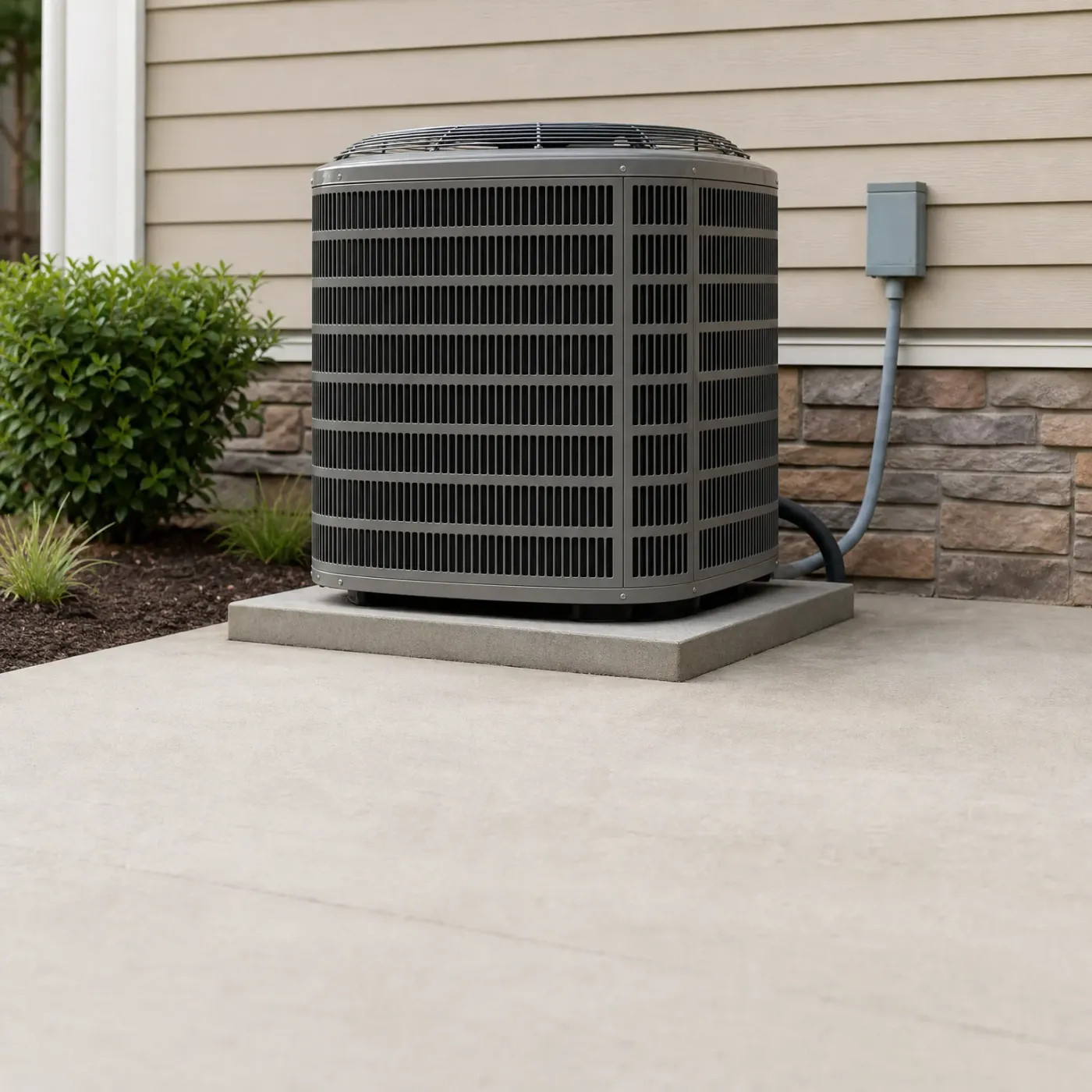
A gray outdoor air conditioning condenser unit on a concrete pad beside a house with horizontal siding and a stone veneer base, with a wall-mounted disconnect box and conduit, next to a shrub bed and a concrete patio.
After you get your air conditioner installation

A variable-speed air conditioner earns its place in a Wisconsin house because of how long it runs and what it costs to run it. Your summers are muggy enough that a unit holding steady at low speed will pull more moisture out of the air than one that blasts full power and shuts off. Your power rate means that steady low draw also shows up as a smaller number on the bill than full-speed cycling does. Your winters don't ask anything of the AC at all, so none of this matters for half the year, only for the stretch when it's running. Getting the sizing and installation right is what makes that performance real instead of theoretical. That part isn't something to guess at. A licensed contractor who installs these in Wisconsin homes every summer can size the unit to your house and get it set up to actually deliver what it's built for.

A woman with shoulder-length brown hair wearing a beige knit cardigan sits in a gray upholstered armchair near a window, looking off to the side with a slight smile, with bookshelves blurred in the background.
A woman with her hair in a bun holds a sleeping young child against her chest, both wrapped in a textured beige knit blanket on a sofa in a dimly lit room with a lamp, framed picture, and bookshelf behind them.

Air Conditioner Installation

Finding a pro stops being your job

Your request goes to one pro, not a list of companies.

A black-framed smartphone standing upright against a plain white background, its screen filled with solid green.
Step 1 of 3: Equipment