




The R-410A phase-out and new AC units in Wisconsin

Send the form and stop researching installers for the new air conditioner.

Let a pro reach out

R-410A, the refrigerant in most central air conditioners installed over the last twenty years, is being phased out under federal rules. Manufacturers stopped building new R-410A equipment at the start of 2025. The refrigerant itself isn't banned yet and a unit using it isn't illegal to run, but new systems now use R-454B instead, and that changes what happens when your AC needs a repair or a replacement. Older R-410A units can still be serviced, though the refrigerant will cost more over time as supply tightens. If your system is old enough to be nearing the end of its life, replacing it means getting an R-454B unit, which takes different oil and different line set handling than what your installer may be used to working with. For a Wisconsin summer, when you need a working air conditioner and not a parts delay, knowing which refrigerant your next unit will run on matters before the old one fails.

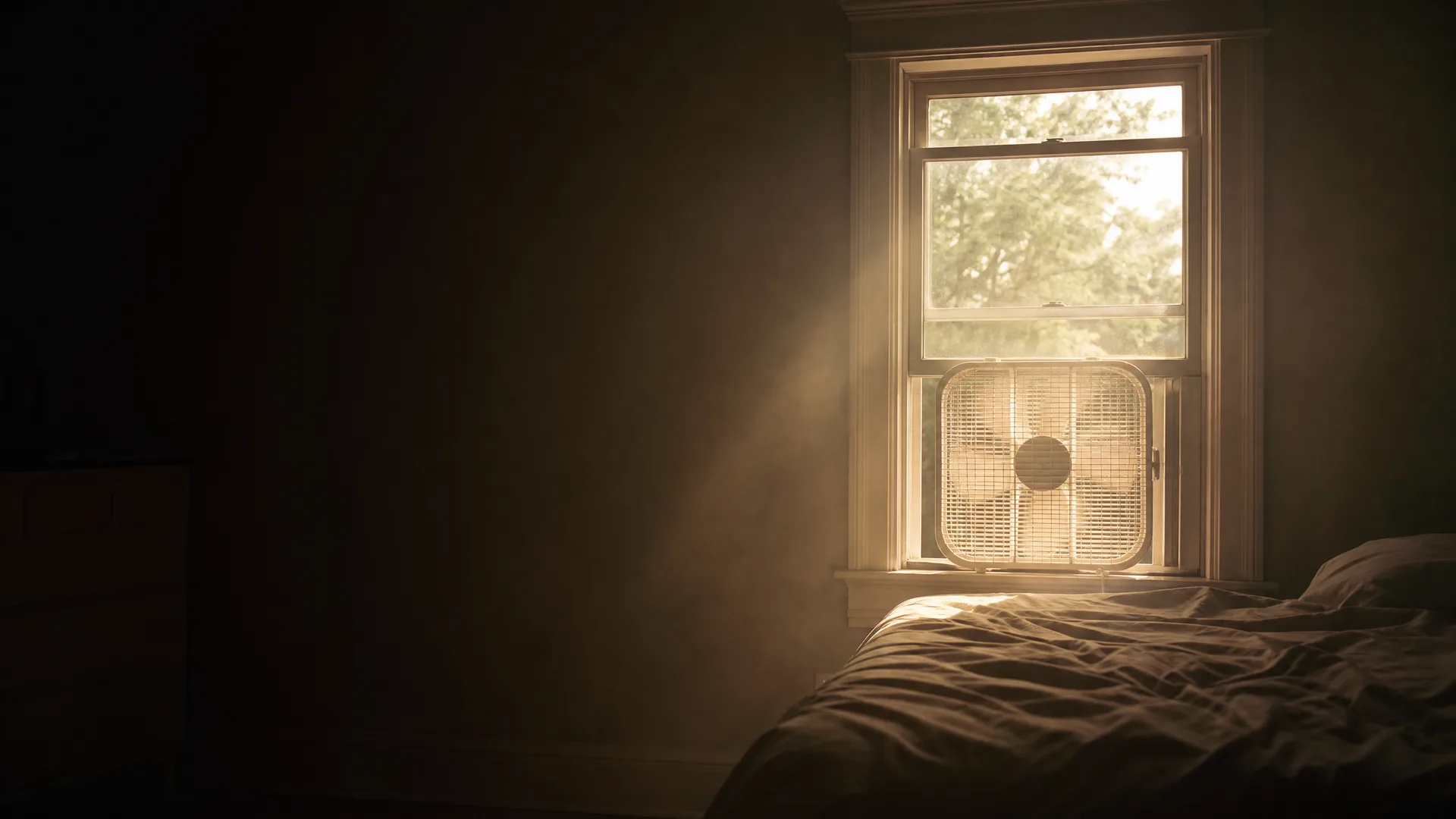
A dim bedroom with a box fan sitting in an open double-hung window, sunlight streaming through the hazy air onto an unmade bed in the foreground.

By nine the upstairs is still warm enough that the box fan in the window just pushes the same heat around. It's June, the sun only went down an hour ago, and the room hasn't let go of the day yet. You're on top of the sheets, not under them. Somewhere below, the AC is running, you can hear it, but up here it barely reaches. The fan hums and clicks against the window frame. You keep thinking about the new few weeks ahead, July coming, and whether the unit downstairs can even keep up when it's worse than this.

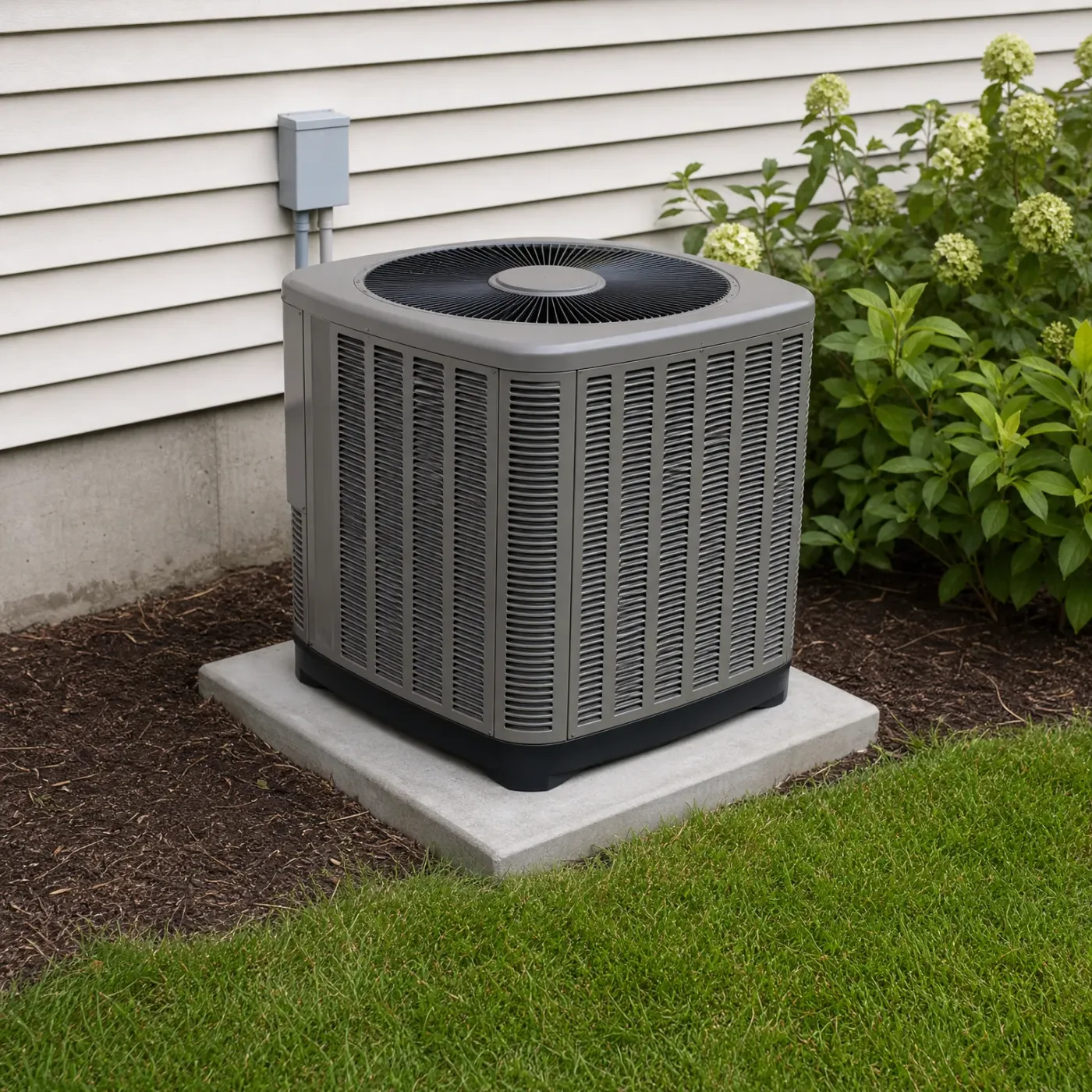
A gray outdoor air conditioner condenser unit on a concrete pad beside a house with horizontal vinyl siding, surrounded by mulch, flowering shrubs, and lawn.
Running fine on R-410A, no leaks, no odd noises. Nothing about the phase-out changes what this unit needs from you right now.
A weathered outdoor air conditioning condenser unit on a concrete pad beside a house with light horizontal siding, an electrical disconnect box and conduit on the wall, and mulched soil on either side.
Coils packed with dirt and grime like this make any AC work harder, old refrigerant or new, and that shows up on the power bill.
A man in a blue sweatshirt reclines with closed eyes in a brown leather armchair in a living room with a bookshelf, houseplant, sofa, window, and a side table holding newspapers and a dark mug.
A bearded man in a gray pullover reclines with closed eyes on a brown leather sofa in a sunlit room with a window, framed picture, potted plant, and a wooden cabinet holding papers and a dark mug.
A man in a gray sweater leans back with closed eyes in a brown leather armchair beside a wooden side table holding a dark mug and a folded newspaper, with bookshelves and a window seat behind him.
A man in a green sweater reclines in an armchair with his eyes closed and a slight smile, beside a window with plants, a small table holding a mug and folded newspaper, and bookshelves behind him.

Keep It Running or Replace It Now

Keep your R-410A unit

  • If it's cooling fine now, nothing about the phase-out forces a change this summer or next.
  • R-410A is still legal to use and to service; a contractor can still recharge an existing system if it loses refrigerant.
  • Parts and refrigerant for R-410A systems get harder to find as supply shrinks, and whatever is left tends to cost more over time.
  • A unit that's already paid for keeps doing its job without the cost of a new installation.
  • Wisconsin summers are short enough that some homeowners would rather spend on a repair now than a full system later.

Replace with new equipment

  • New systems run on R-454B or similar refrigerants built to meet the current federal rules, so you're not buying into a phase-out already underway.
  • Newer equipment is built to current efficiency standards, which matters with Wisconsin's electric rates pushing summer bills higher.
  • A new installation sidesteps the shrinking supply and rising price of R-410A down the road.
  • Since most Wisconsin homes heat with gas, this decision is about the AC alone, not a furnace swap at the same time.
  • Installing before an old unit fails means you're not without cooling during a stretch of muggy weather while you scramble to replace it.
A gray outdoor air conditioner condenser unit on a concrete pad beside a house with horizontal lap siding, with a wall-mounted disconnect box and conduit to its right and shrubs to the left.

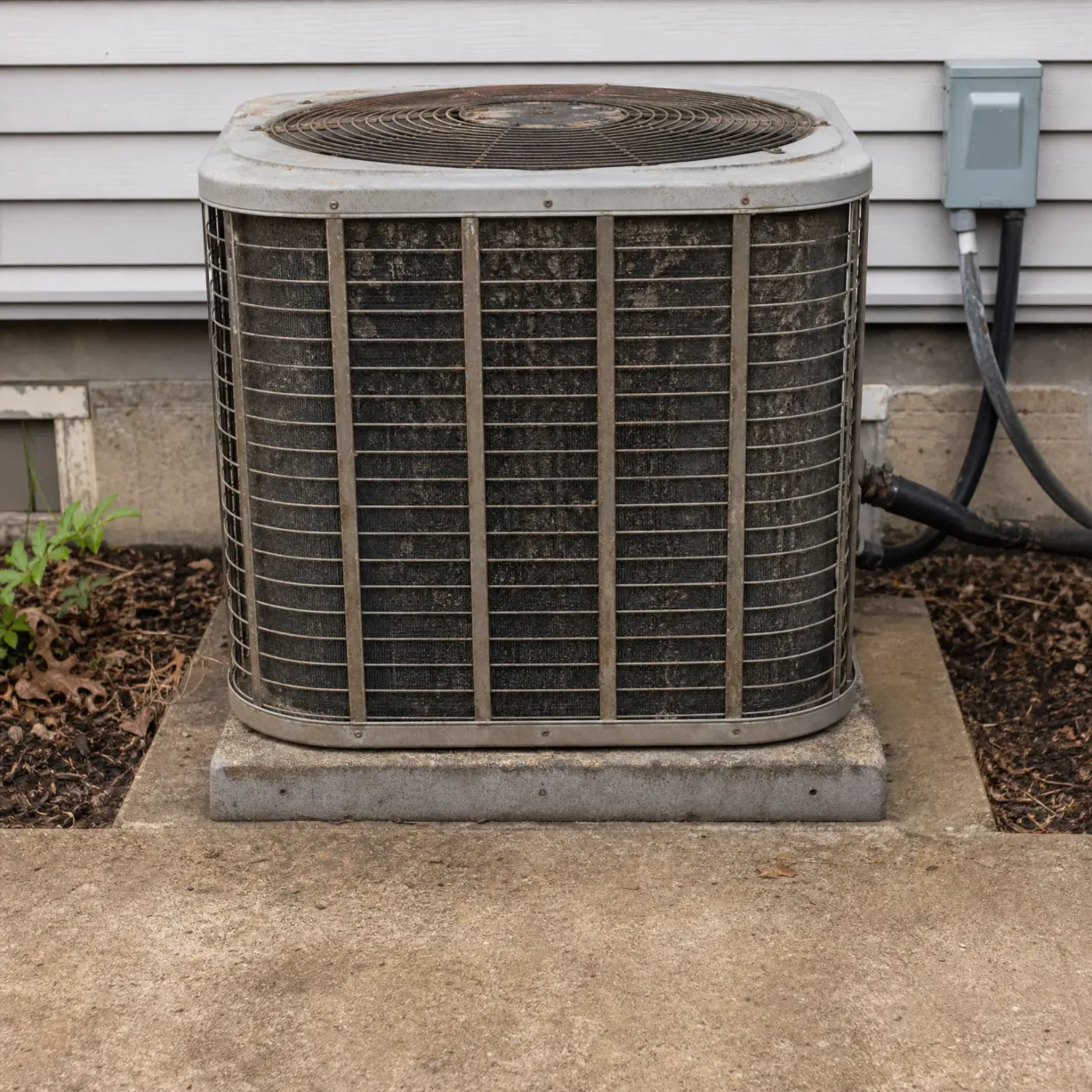
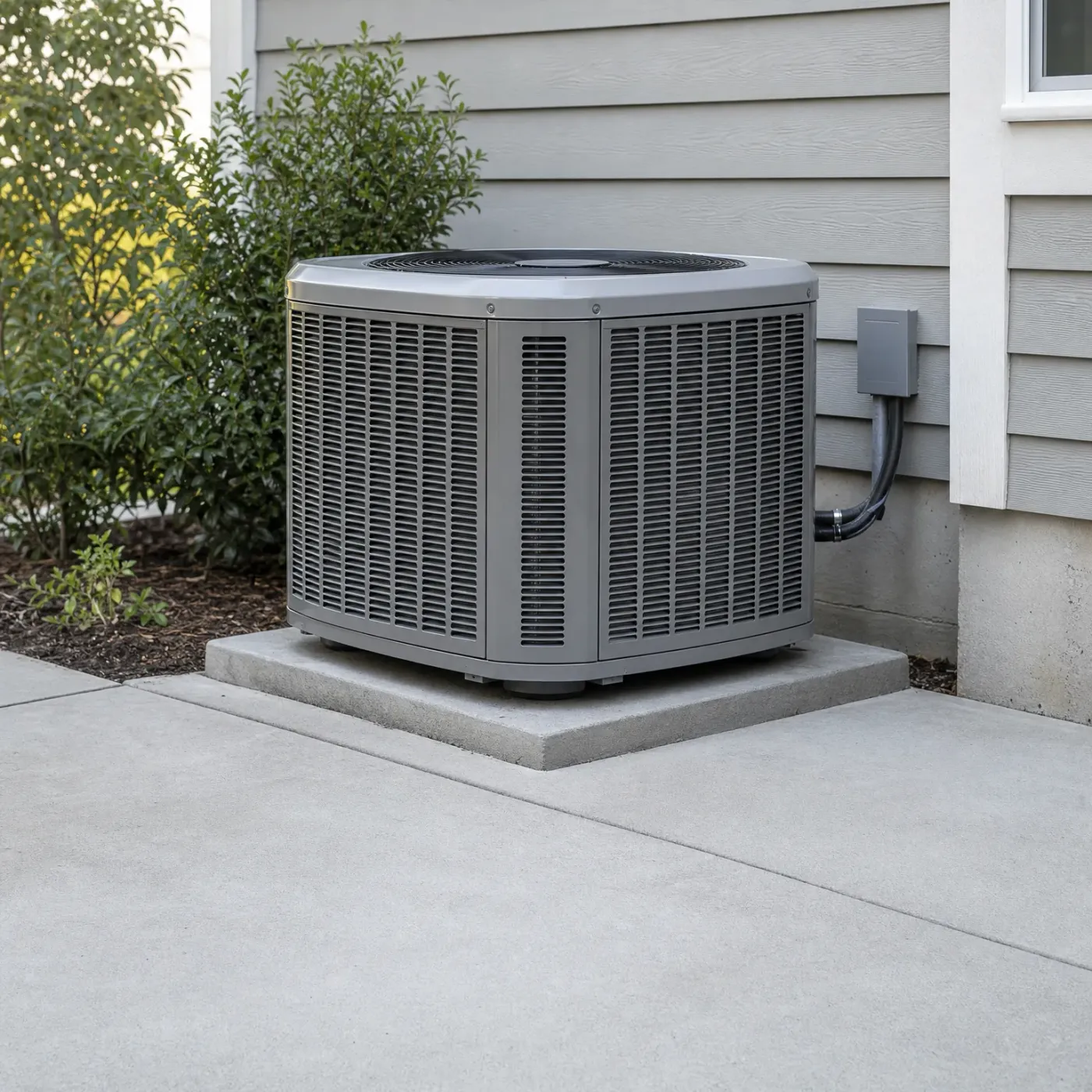
Working the way it should

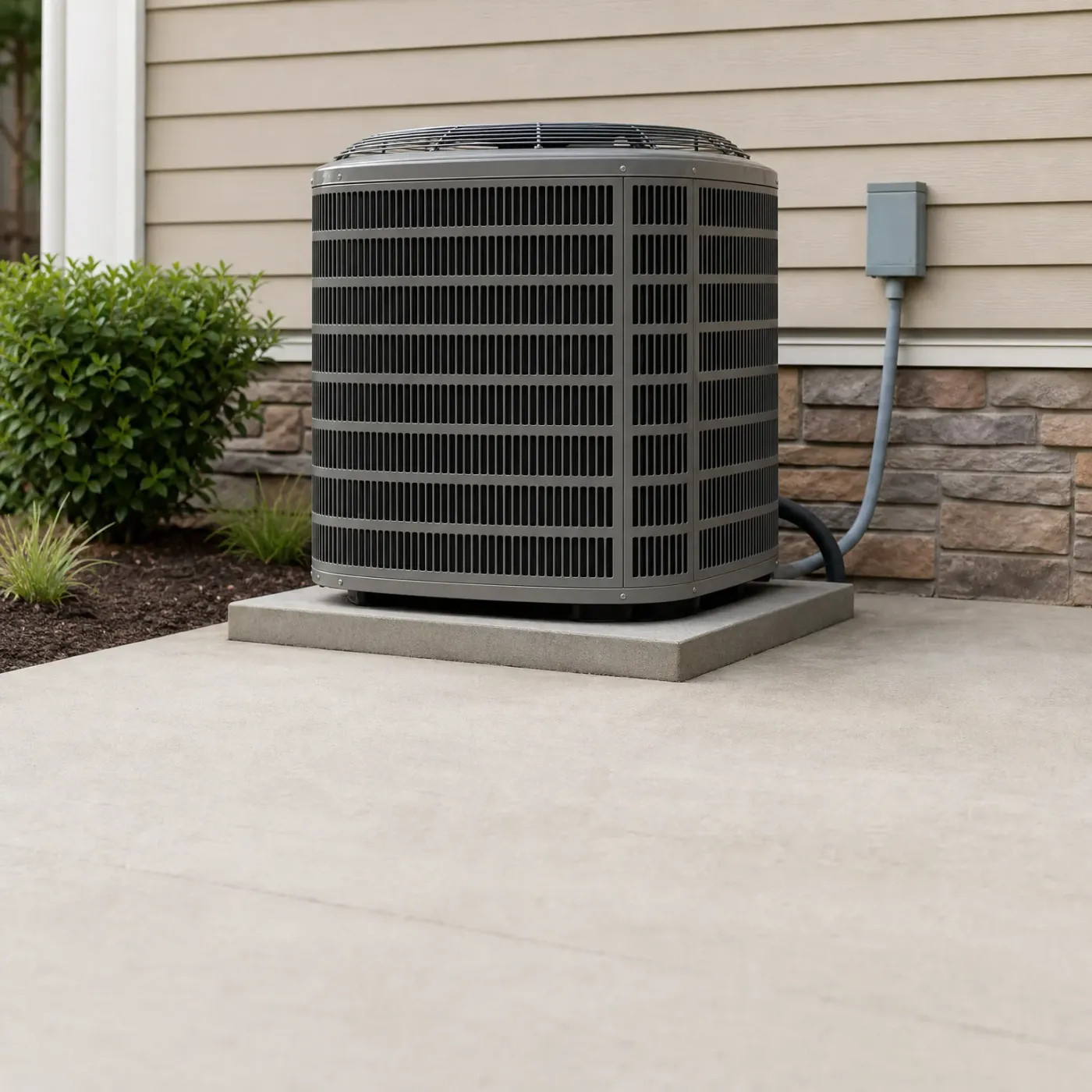
If your condenser looks like this, humming along on the pad by the wall, that's the whole story. It's running on R-410A, the phase-out doesn't touch what's already installed, and a unit cooling your house fine this summer has nothing to prove to anyone.
An outdoor air conditioning condenser unit on a concrete pad beside a house with horizontal lap siding, with a conduit and electrical disconnect box on the wall at right.

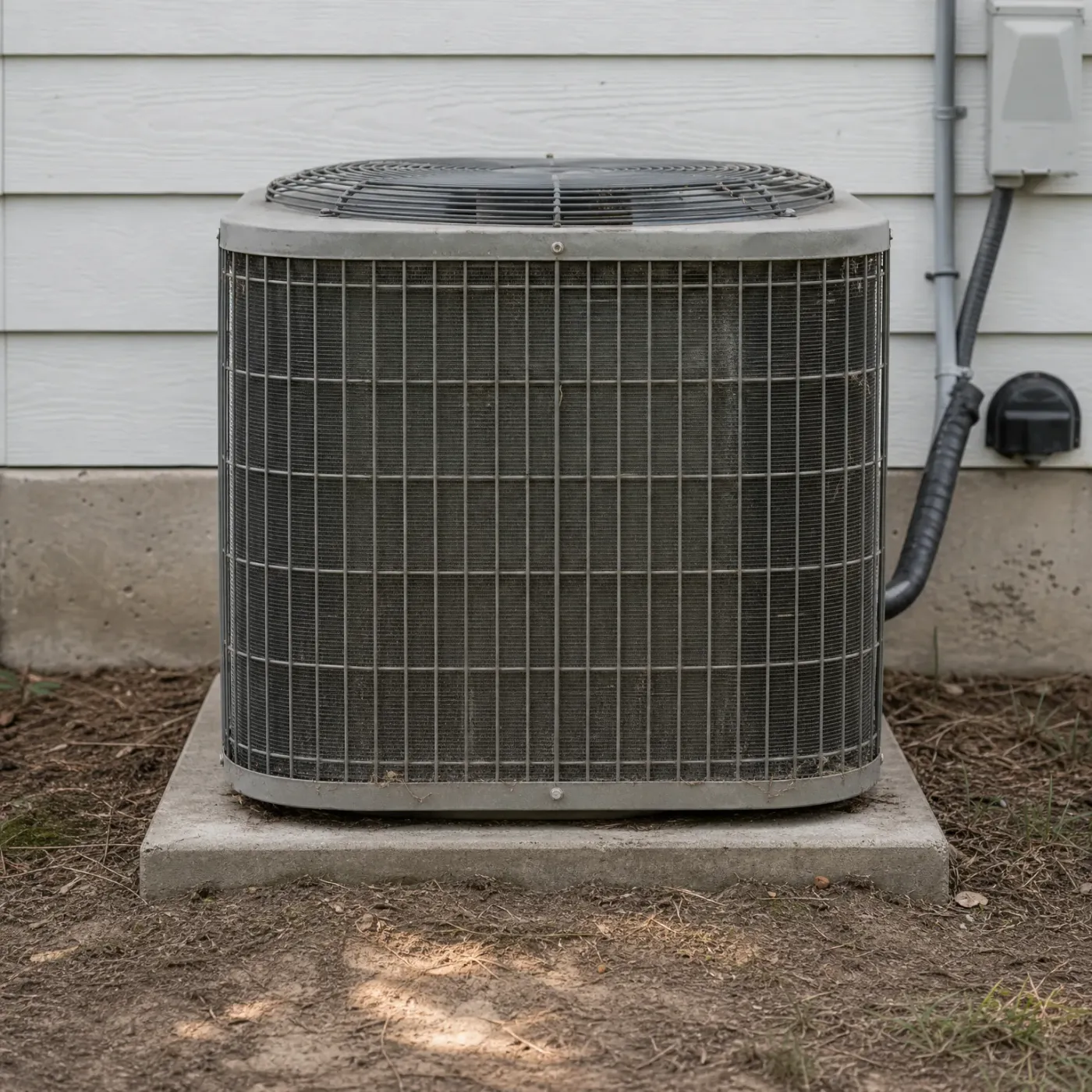
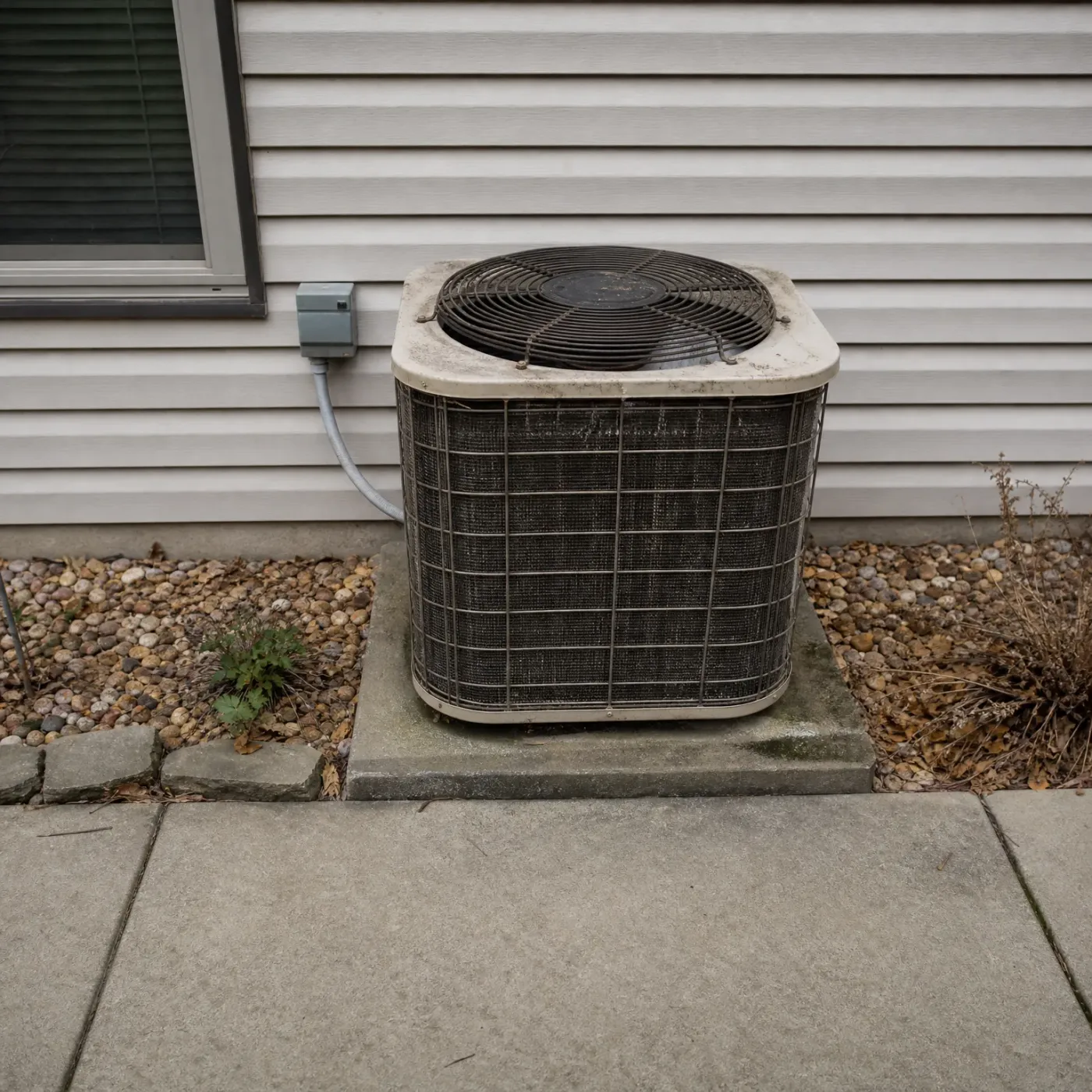
Showing its age

Grime packed into the coil guard like this means the unit is working harder than it should, on any refrigerant. Add a system old enough to be nearing the end of its run, and a breakdown in August turns into a search for a contractor with no cooling in the house while you do it.

An outdoor air conditioner condenser unit on a concrete pad beside a house with light gray vinyl siding, with a gray electrical disconnect box and conduit on the wall, gravel beds and dried plants nearby, and a concrete sidewalk in the foreground.
Before you get your air conditioner installation
A gray outdoor air conditioning condenser unit on a concrete pad beside a house with horizontal siding and a stone veneer base, with a wall-mounted disconnect box and conduit, next to a shrub bed and a concrete patio.
After you get your air conditioner installation
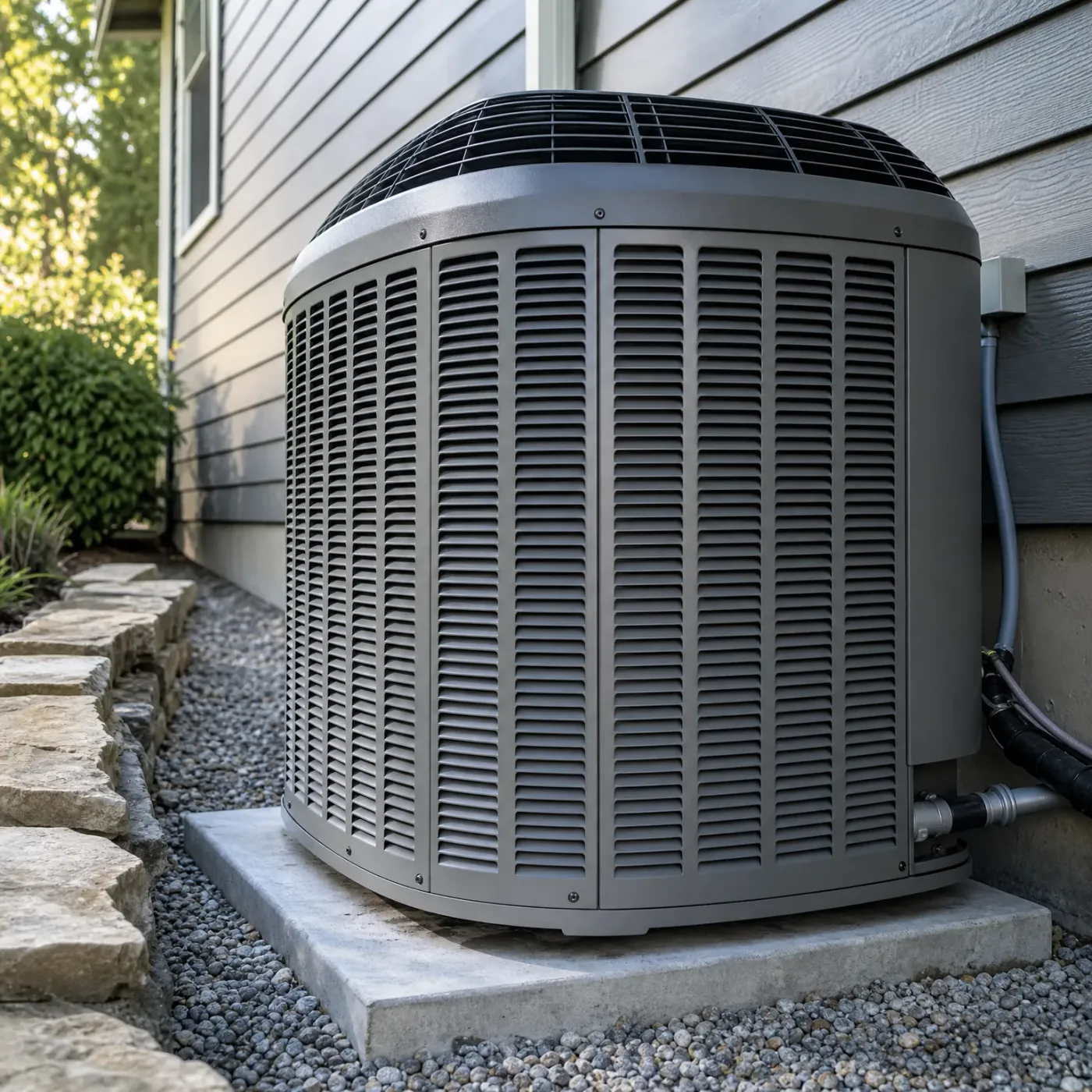
A gray outdoor air conditioning condenser unit with louvered sides and a black top grille sits on a concrete pad beside a house with horizontal lap siding, surrounded by gravel and a stone border.

Finding a pro stops being your job

Skip collecting and comparing quotes for the new air conditioner.

One request ends the search for an air conditioner installer.

Describe it once

No charge to send it. You decide if you hire them.

A closed silver laptop and a glazed ceramic mug on a wooden table, with a blurred kitchen counter, potted plant, cutting board and window in the background.

What happens inside the new units

R-454B is the refrigerant replacing R-410A in new central air conditioners. It absorbs and releases heat at different pressures than R-410A, so the compressor, the coils and the metering device are all built to match it. A contractor can't just drop R-454B into an old R-410A system, and they can't put R-410A into a new one either. The two don't mix and the parts aren't interchangeable. That's why this is an installation, not a recharge.

R-454B also carries a mild flammability rating, class A2L. That changes some of what goes into putting a system in: how the line set is run, how leaks get tested, what sits near the indoor coil. None of that is a reason to worry about a finished install, but it is why this isn't a same-day swap of one box for another. Finding a contractor who's already working with A2L equipment matters more than it did a few years ago, and that's the part a converted lead here takes off your plate. You send the form once, and you're not the one calling around Wisconsin asking who's handled the new refrigerant yet.

Interior corner of a dining room with a round wooden table, a ceramic vase holding olive branches, a dark spindle-back chair near a curtained window, and a sideboard with a lamp against beige walls.
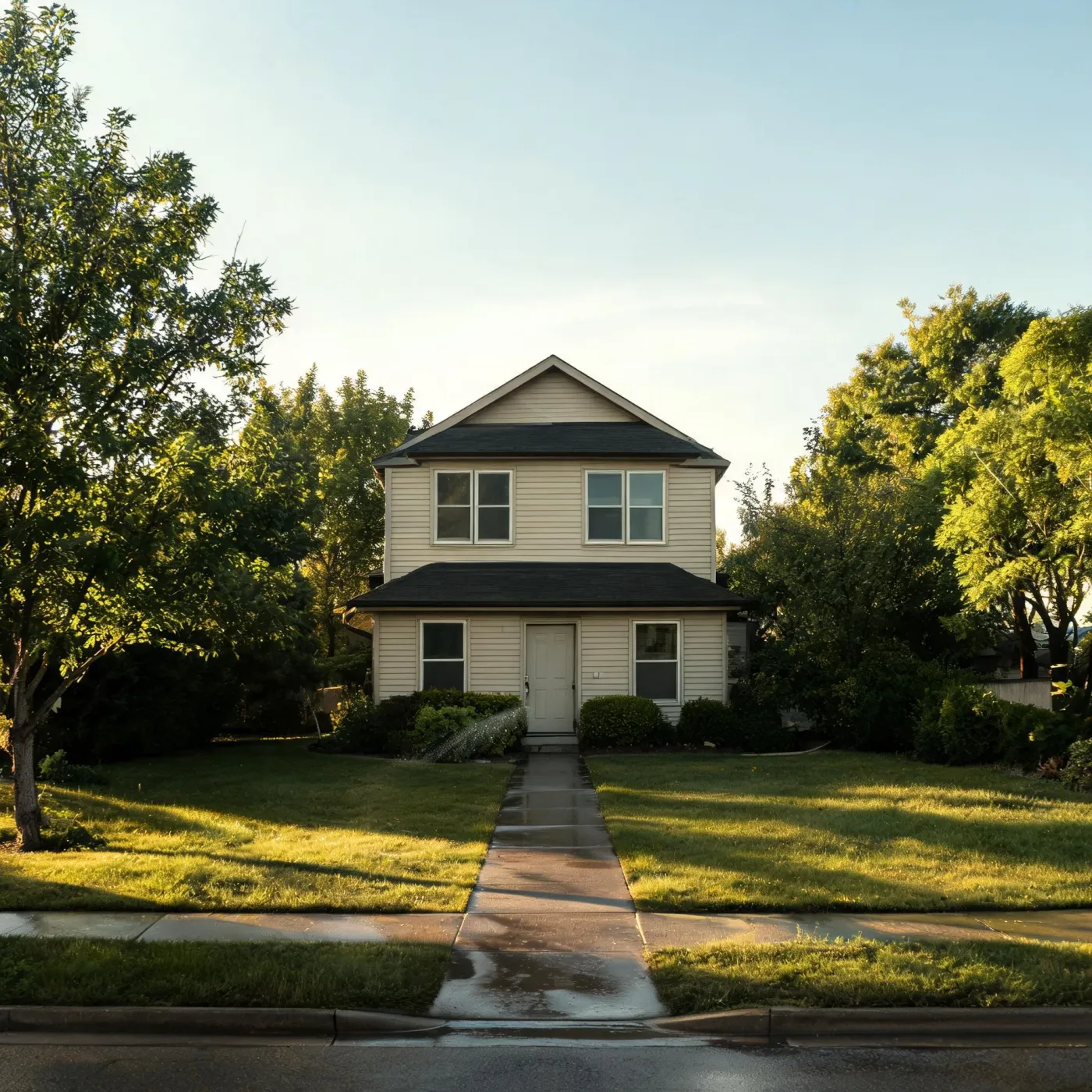
A two-story house with cream horizontal siding, a dark gabled roof, and a white front door, fronted by a lawn, shrubs, and a concrete walkway leading to a sidewalk and street, with large leafy trees on both sides.

A dew point averaging 60°F across June, July and August is what makes a Wisconsin summer feel heavy instead of just warm, according to NOAA climate data for the state. Your air conditioner isn't just cooling the air, it's wringing that moisture out of it, and the coil does most of that work. At a dew point near 60, the unit runs longer to pull enough water out of the air to leave the house feeling dry. You'll notice it as a system that seems to run and run on a day that isn't even that hot, and a thermostat reading that doesn't match how the room actually feels.

NASA POWER T2MDEW county cells weighted by homes

A gray-haired man in a blue quarter-zip sweater sits in an armchair with his eyes closed, beside a large window with bare trees outside and a potted plant and lamp nearby.
A woman in a cream knit sweater sits in an armchair with her eyes closed and head tilted back, beside a window showing orange autumn foliage and a wooden side table with a mug.

Where this leaves you

  • An R-410A air conditioner that's cooling your house fine this summer doesn't need to be replaced because of the phase-out.
  • R-410A stays legal to buy, use and service, so an existing system can still be recharged if it leaks.
  • New units sold from 2025 on use R-454B, built with a compressor and coils matched to that refrigerant.
  • A failing compressor or a coil caked in dirt will cost you on the power bill regardless of which refrigerant runs through it.
  • Once a unit is old enough or worn enough to need replacing, the choice of what to install next is a contractor's call, not yours to research alone.
  • Wisconsin summers put real demand on a system already struggling with age or a refrigerant leak, phase-out aside.

The phase-out is a manufacturing rule, not a verdict on your air conditioner. If it's cooling your house through this Wisconsin summer, it's doing its job, and nothing about R-410A going out of production changes that. The refrigerant stays legal to buy, use and have serviced, so a leak gets recharged the same way it always has. What's different is what's sitting on showroom floors now. Units built from 2025 on run R-454B, with a compressor and coils matched to that refrigerant from the factory, and that's a different piece of equipment than the one on your pad.

The thing that actually decides your next move is the condition of what you have, not the calendar. A compressor on its way out or a coil too dirty to shed heat properly will run up your power bill all summer, R-410A or not, and a system already strained by age won't get any easier with the dew point sitting where it does here. When it's time to replace rather than repair, the choice between a dwindling supply of R-410A equipment and a new R-454B system is the kind of call a contractor sorts out after looking at your ductwork and your house, not something to settle from a search bar. Getting that answer means a reader doesn't have to spend an afternoon calling around, repeating the same symptoms to three different companies, and squaring their quotes against each other before anyone's even looked at the unit.

A single-story stucco house at dusk with a lit paver walkway lined by low path lights, desert plants and boulders in front, and distant mountains under an orange and blue sky.

Air Conditioner Installation

Let someone else find the pro

Step 1 of 3: Equipment
  • A multi-pane white window looking out on snow-covered evergreen and bare trees, with a ceramic mug, pine cones, a book, a knit blanket and a burlap cushion in the foreground.
    • A local installer who puts in air conditioners gets your project.
    • Get in touch with a local installer about a new air conditioner.
  • A cream knit throw and striped pillow on a light upholstered sofa beside a window, with a woven basket of split firewood in the foreground.
    • Send it once and finding someone is no longer on you.
    • Once you send the form, finding a pro is off your list.
  • A weathered wooden bench with a beige cushion and a fringed brown throw sits on a wood-plank porch beside a large planter with a thin-branched shrub, against a light-colored house wall with a dark-framed window.
    • Skip the round of in-home estimates for a new air conditioner.
    • Describe the project once instead of to every installer.
  • Exterior of a dark shingle-sided house with a white-trimmed divided-light window, a yellow-leaved tree, trimmed shrubs, and two small pumpkins on a stone pillar cap.
    • Your request stays with one local pro.
    • Your request goes to one pro, not a list of companies.