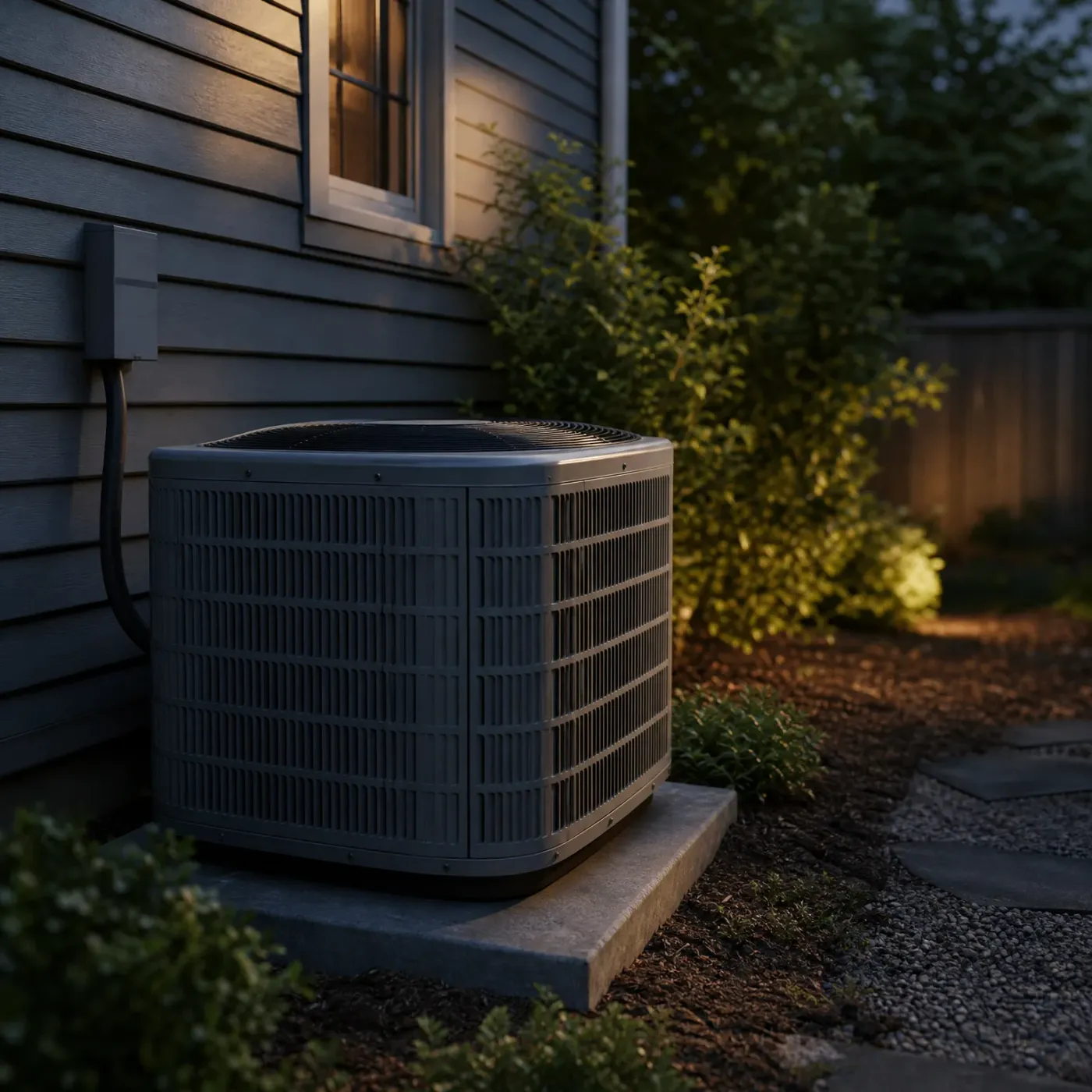
An outdoor air conditioner condenser unit on a concrete pad beside a gray horizontal-siding house at dusk, with a wall-mounted disconnect box, shrubs, and a gravel path with stepping stones nearby.

Explain it one time

Why your AC unit is buzzing in Wisconsin

A buzzing AC is trying to tell you something, and this page gets into what that noise usually means and why it matters before a Wisconsin summer gets hot enough to make you need the thing working. Instead of searching around for someone to look at it, calling a few places, and explaining the noise over and over, you get matched with one licensed contractor near you who can tell you what's going on.

Start one form

A buzzing air conditioner usually means something electrical is struggling: a failing capacitor, a loose contactor, or a fan motor that's binding up. The capacitor gives the compressor and fan motor the jolt they need to start, and when it weakens, the motor hums and strains instead of starting clean. That buzzing can also come from a contactor with pitted contacts, or from a fan blade that's hitting something or going out of balance. None of these fix themselves, and running the unit while they worsen can burn out the compressor, which costs far more to replace than the part that's actually failing. In a Wisconsin summer, when the air turns sticky and the AC runs for hours at a stretch, a weak part gets pushed harder and fails faster. The noise is worth paying attention to now, while it's still a part you can replace instead of a system you have to replace.

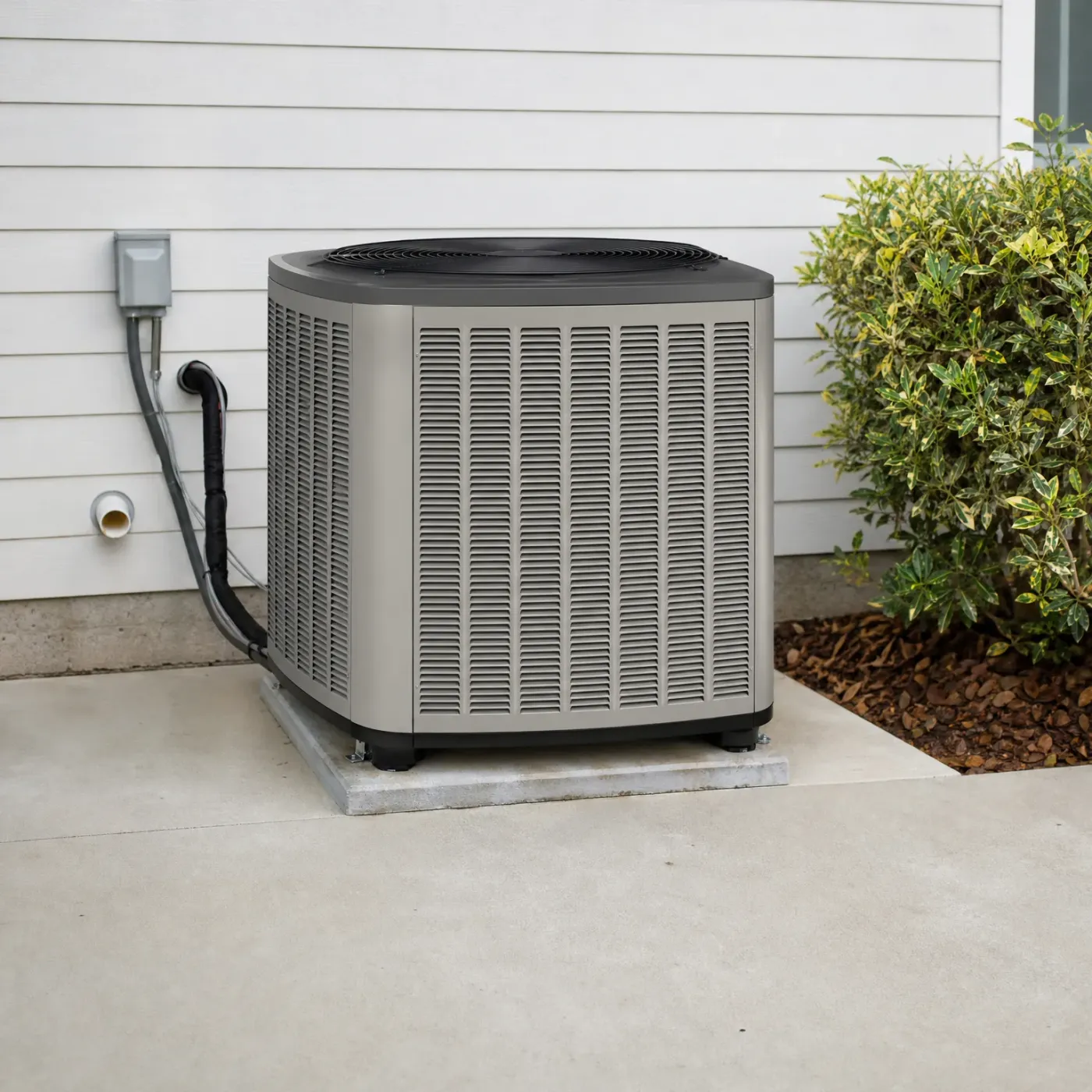
A gray outdoor air conditioning condenser unit on a concrete pad beside a house with horizontal lap siding, with a wall-mounted disconnect box and conduit, and shrubs to the left.

A normal hum

A healthy condenser outside your house runs with a steady, even hum. The fan spins free, the disconnect box stays quiet, and the sound doesn't change from one day to the next. If yours still sounds like this, the buzz you're hearing may be coming from somewhere else.

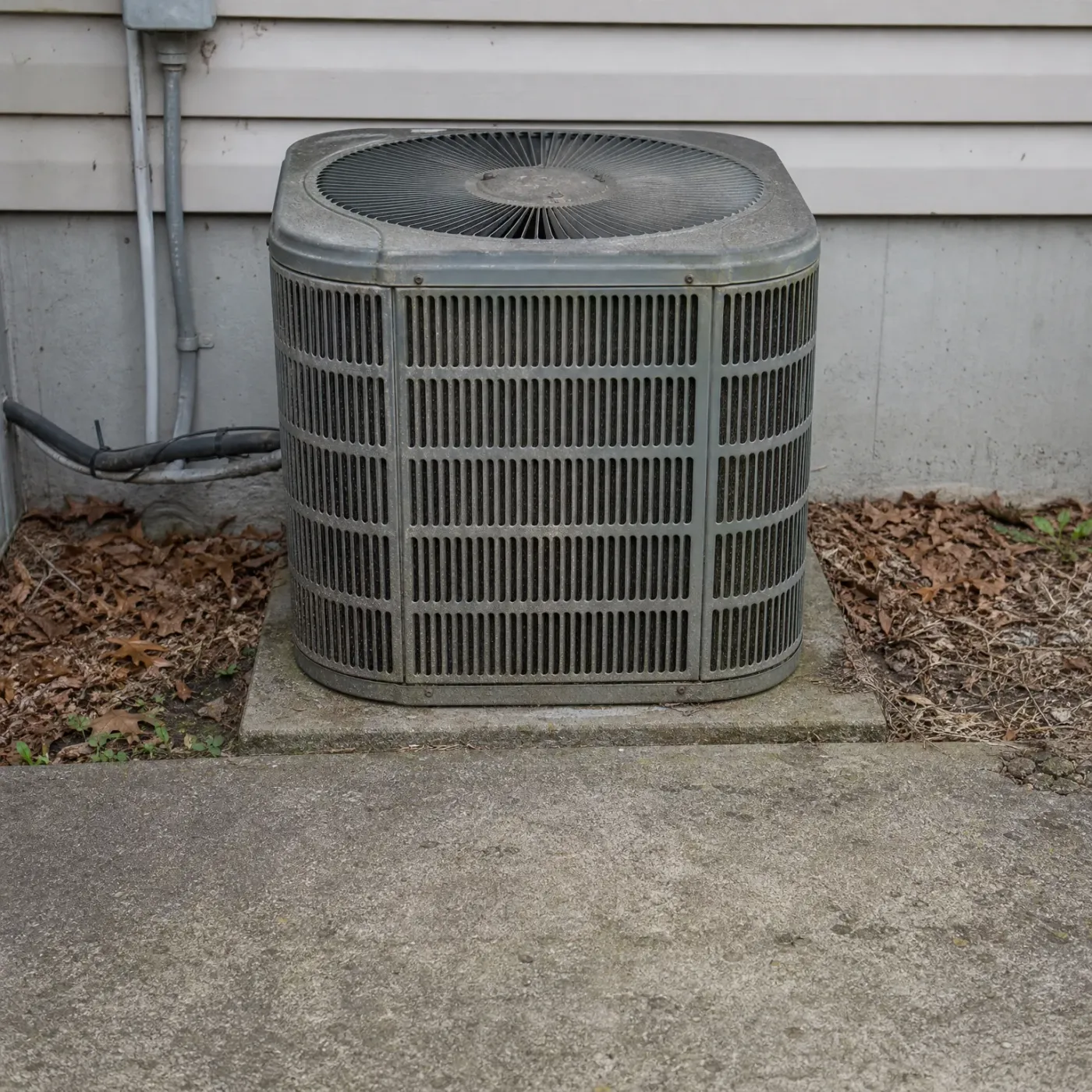
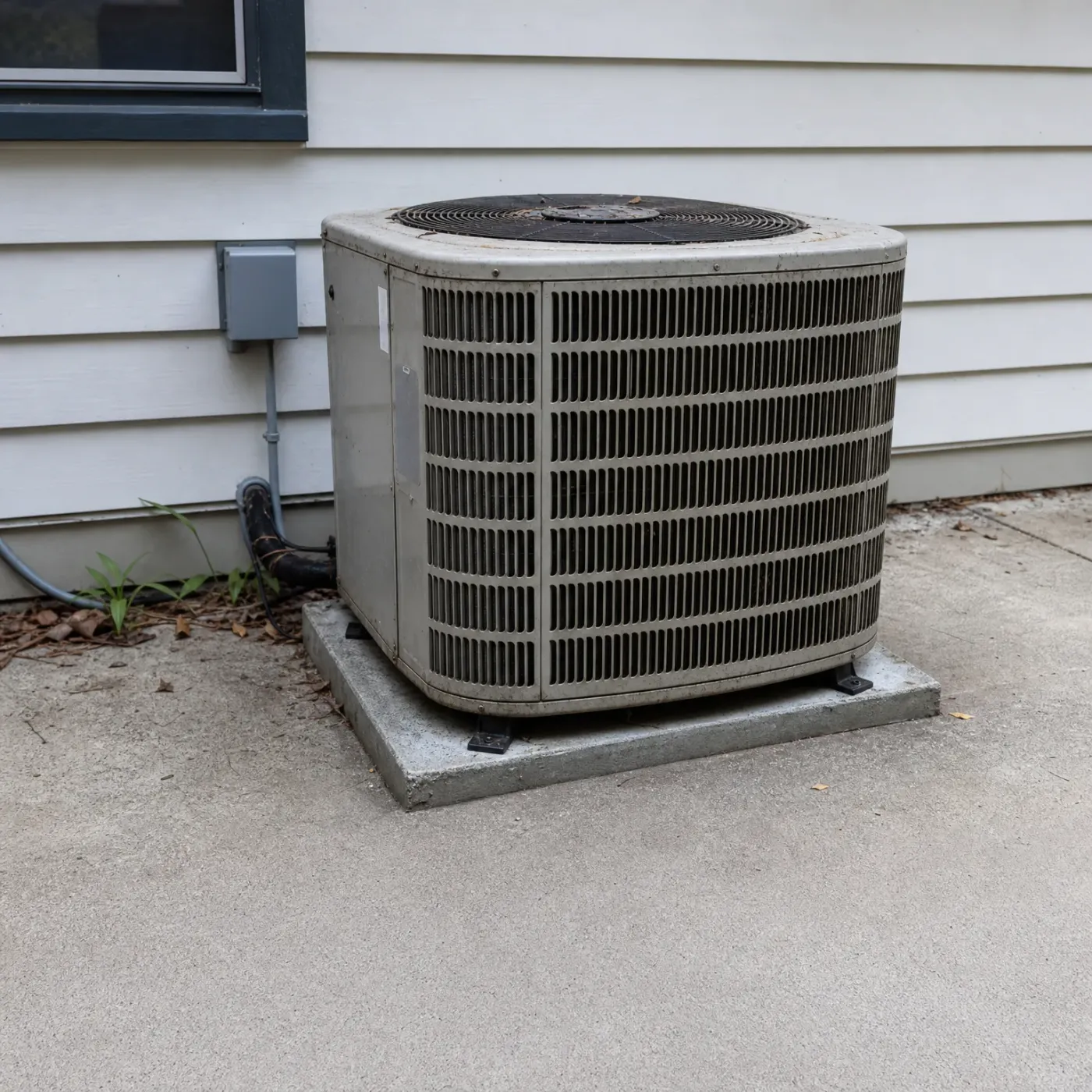
An outdoor air conditioning condenser unit on a concrete pad beside a house with horizontal siding and a concrete foundation, with dry brown leaves on the ground to either side.

A buzzing condenser

A unit that's struggling often looks the part: dirty coils, leaves piled against the cabinet, a fan that hesitates before it catches. The buzz is the motor or capacitor laboring to do what it used to do without effort. Left alone through a Wisconsin summer, that strain tends to end in a motor that won't start at all.

A gray-haired man in a dark long-sleeve shirt sits on a gray sofa in a living room, looking toward a sunlit window with sheer curtains.
A gray-haired man in a dark green sweatshirt sits on a sofa in a living room, looking toward a bright window, with a houseplant, lamp, fireplace and framed art behind him.
A gray-haired bearded man in a dark green collared sweater sits on a sofa in a living room with a window, houseplant, floor lamp and bookshelves, looking off to the side.
A gray-haired man in a dark green sweater sits on a sofa in a sunlit living room, looking off to the side, with a framed landscape painting, dining table and shelving behind him.

A capacitor doesn't usually just stop. It weakens over a few seasons of summer heat, and the buzzing gets louder in the weeks before it fails outright.

That's why a buzzing unit in July is worth a call now, before a Wisconsin heat wave is also the day your compressor won't start at all.

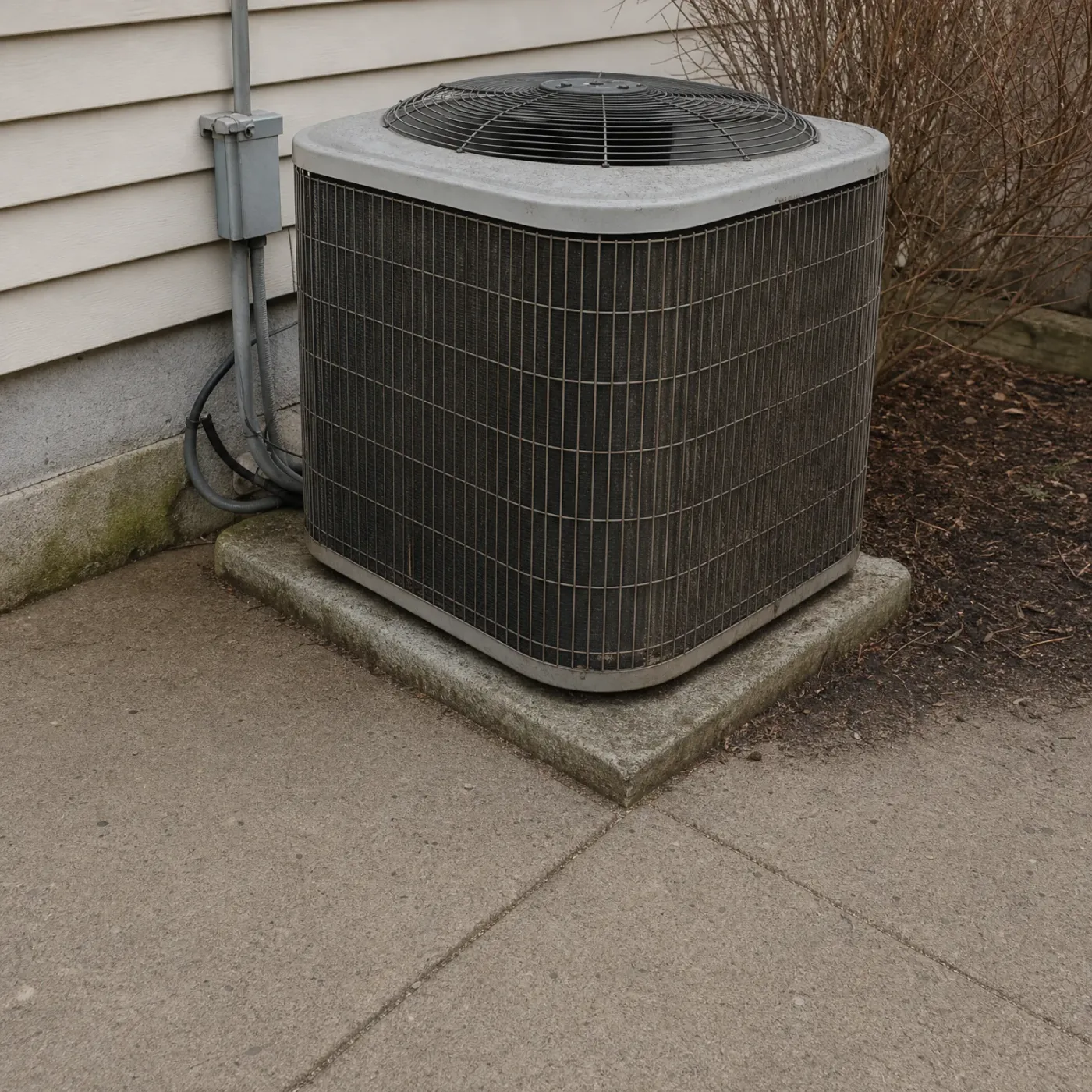
An outdoor air conditioning condenser unit on a concrete pad beside a house with light vinyl siding, an electrical disconnect box and conduit on the wall, bare shrubs and mulch to the right, and a concrete walkway in the foreground.
Before you get your air conditioner repair
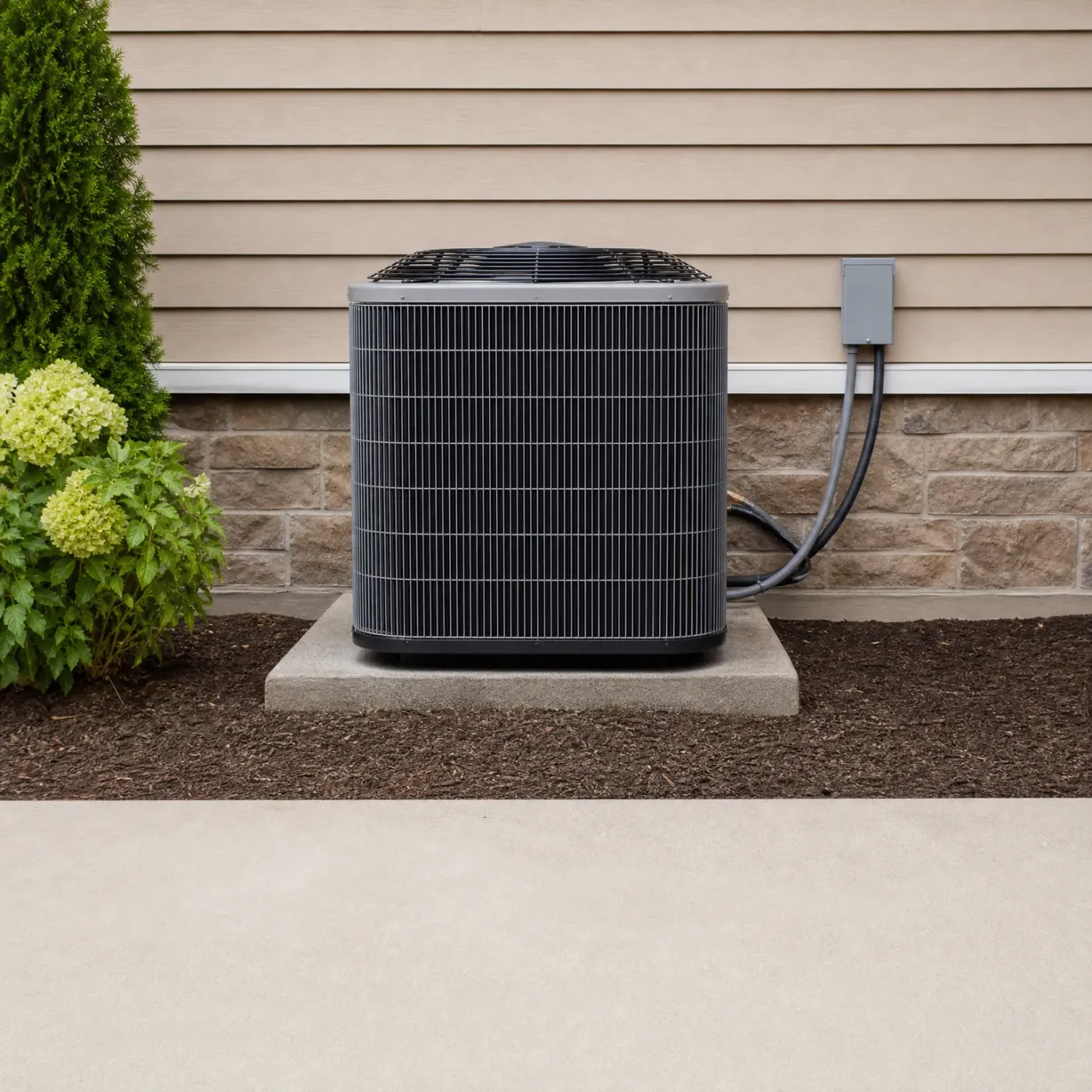
An outdoor air conditioner condenser unit on a concrete pad beside a house with beige horizontal siding and a stone-veneer base, with refrigerant lines running to a gray wall-mounted electrical box, surrounded by dark mulch, a flowering shrub and an evergreen on the left.
After you get your air conditioner repair

Ignore it and the compressor pays the price

A weak capacitor forces the compressor to strain every time it starts. Compressors cost far more to replace than the part that was failing.

Get one local pro

One call, one licensed Wisconsin contractor

A local contractor who services AC units all summer can tell you what's buzzing and fix it, instead of you calling around and explaining it more than once.

Get one local pro

Is that buzzing getting louder when your AC kicks on

You're probably noticing it most when the unit kicks on, a buzz that wasn't there last summer, or one that's gotten louder since last week. Maybe you've walked past the outdoor unit and heard it before you even thought to listen. Some homes notice the air isn't keeping up the way it used to, rooms staying warm longer, the thermostat working harder to hit the set temperature. If the buzzing is a strained motor or a failing capacitor, running it that way for weeks can push a repair into a full compressor replacement, and that's a much bigger job. With Wisconsin power rates what they are, a motor laboring to start is also costing you more every time it cycles on.

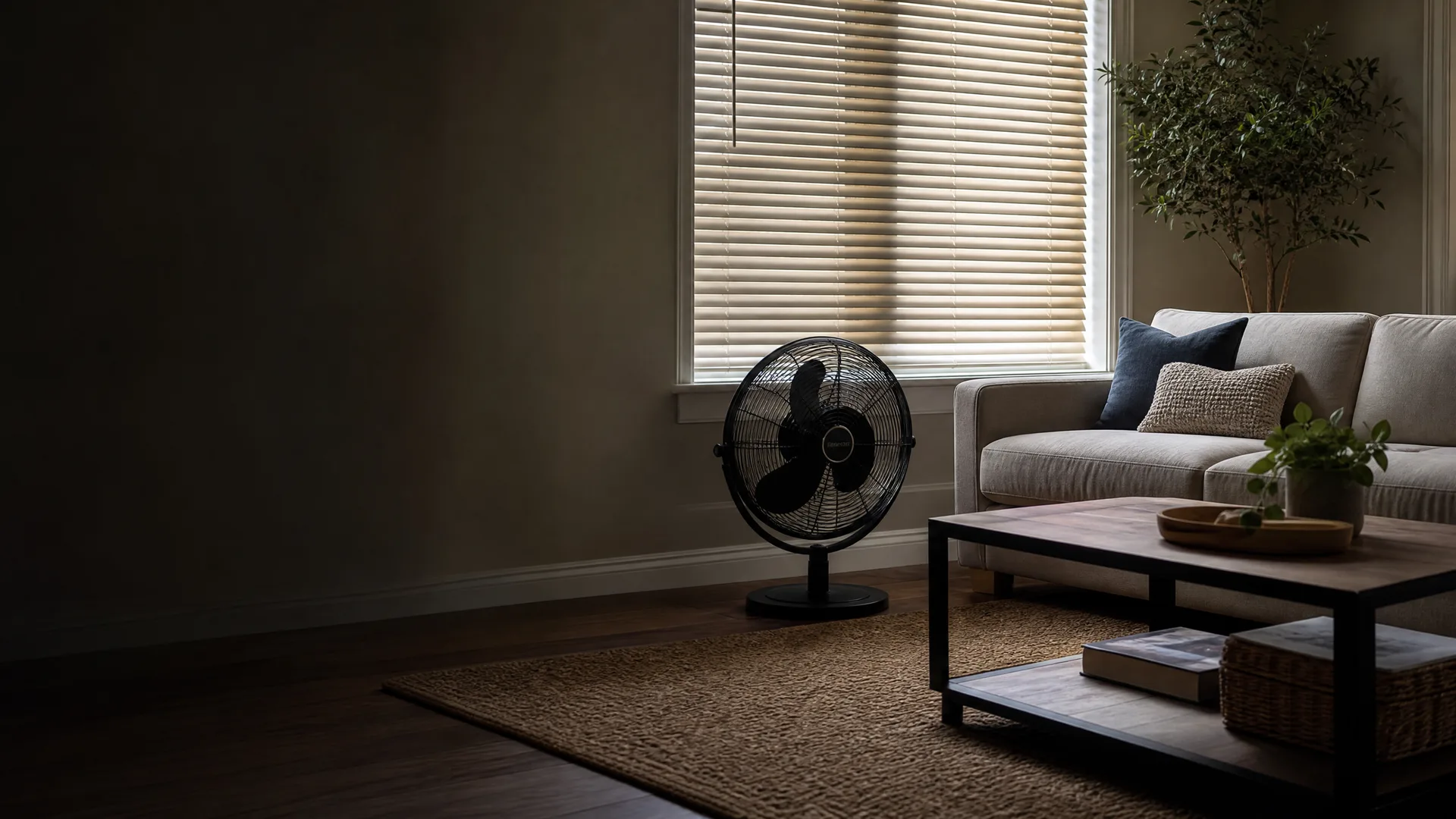
A dimly lit living room with a black table fan on the wood floor near a window with closed blinds, beside a light-colored sofa with cushions, a wooden coffee table, a woven rug, and a potted tree.

The blinds are drawn against the sun, but the room is still warm. It's past three on a July afternoon, the kind that turns the living room sticky even with the AC running. A floor fan sits next to the couch, pushing the air around because the air from the vents doesn't feel like enough anymore. From outside, through the window, there's that buzz again, a little louder than the day before. You've already thought about pulling out your phone, calling one place, waiting on hold, then another, trying to describe the sound to someone who wasn't there to hear it. For now you just sit with the fan running and the noise outside, waiting for the house to cool down.
Skip calling around

That buzz isn't going to fix itself, and a Wisconsin summer doesn't give you much room to wait it out. Most homes here run on gas heat, so your AC is the one system doing all the work once it gets sticky out, and electric rates in this state make a strained compressor an expensive thing to ignore. You could spend an afternoon calling around, explaining the noise to three different companies, waiting on quotes that come back at different prices for who knows what. Or you could send this once and have it land with one licensed Wisconsin contractor, someone who hears this exact buzz every summer and knows whether it's a capacitor, a contactor, or something further along. No explaining it twice, no five companies calling you back at once. Just one person who already knows what a failing AC sounds like before they get there.

  1. A weak capacitor can no longer deliver the jolt the motor needs

  2. The fan motor or compressor strains to start without that jolt

  3. A loose contactor lets electricity arc instead of flowing clean

  4. That strain and arcing show up as a buzzing sound

Wait It Out or Get It Checked

Keep running it

  • A buzzing capacitor won't repair itself, and most keep weakening until the compressor can't start at all.
  • Every hot start without a good jolt puts extra strain on the compressor, and that's the expensive part to replace.
  • The buzz usually gets louder week to week, so the unit you ignore in June is often worse by August.
  • A loose contactor that's arcing can damage the wires around it the longer current keeps jumping instead of flowing clean.
  • You still get a few more weeks of cooling, but you're gambling that it fails on a mild day instead of a 90 degree one.

Get it looked at

  • A licensed contractor can test the capacitor and contactor directly and tell you which one is failing.
  • Catching a weak capacitor early usually means replacing a small part instead of a compressor.
  • One local contractor means one visit and one explanation of the problem, not retelling it to three different companies.
  • Someone who works on AC units all summer in Wisconsin has seen this exact buzz before and knows what usually causes it.
  • Once the failing part is replaced, the unit goes back to running the way it did last summer, with no buzz when it kicks on.
Two-story house with beige horizontal siding, gray shingled gable roofs and a covered front entry, with an outdoor air conditioning unit beside it and a partly dry grass lawn in front under a clear blue sky.

Wisconsin summers run muggy, and weather records put the average dew point at 60°F across June, July and August. That's heavy enough to feel sticky walking out the door, and it means your air conditioner is pulling moisture out of the air on top of cooling it, hour after hour, all summer. That's more running time than a dry summer would ever ask of it. A capacitor that's already weak has more hot starts to survive, and a buzzing unit gets pushed harder on the muggiest days instead of catching a break.

NASA POWER T2MDEW county cells weighted by homes

Is it safe to keep running my AC while it's buzzing?

You can hear the buzz every time the AC kicks on, and so far it still cools the house. It's tempting to just let it run through the next hot stretch and deal with it later, especially if calling someone feels like a hassle. But a loud compressor and a Wisconsin heat wave aren't a great combination to find out the hard way.

It will keep cooling for a while, but it's putting the compressor at risk

A buzzing unit will usually keep blowing cold air for days or weeks after the noise starts. That's part of what makes it easy to put off. But the buzz means the capacitor or contactor behind that start-up jolt is already failing, and every cycle without a clean jolt puts more strain on the compressor itself. The compressor is the part that costs the most to replace, by a wide margin. Running it buzzing through a stretch of Wisconsin's muggy summer days, with the unit cycling on and off for hours at a time, is exactly the kind of repeated strain that turns a weak capacitor into a dead compressor.

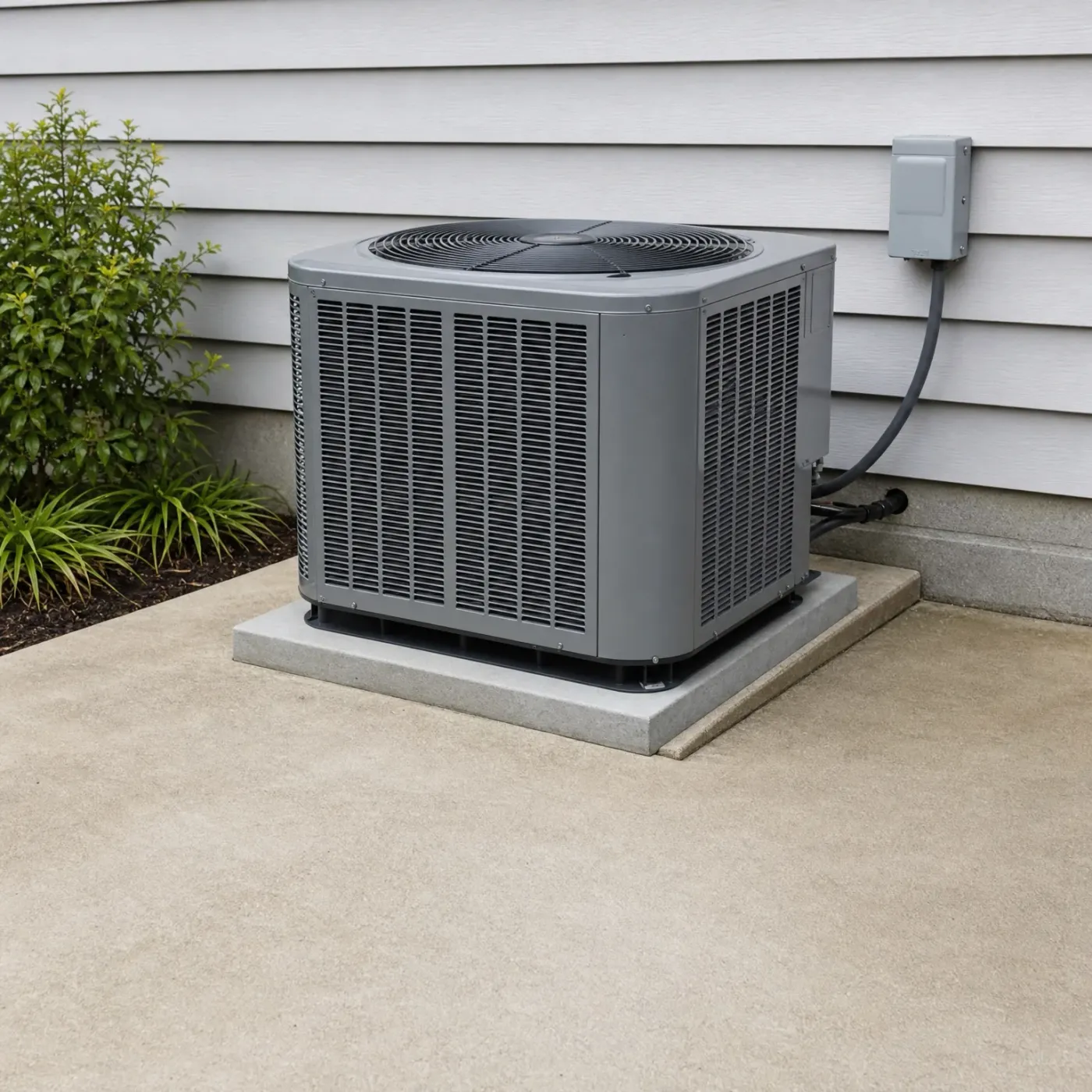
An outdoor air conditioning condenser unit on a concrete pad beside a house with white horizontal lap siding, with an electrical disconnect box and insulated refrigerant line on the wall and a shrub over mulch to the right.
A condenser running clean has nothing extra to hear, just the steady sound of the fan and the compressor doing their job.
An outdoor air conditioner condenser unit on a concrete pad beside a house with light horizontal lap siding, with an electrical disconnect box and conduit on the wall behind it.
A unit this weathered has had years of summer heat to wear down a capacitor or loosen a contactor behind that disconnect box.

Power costs 18.08 cents per kilowatt-hour statewide

At 18.08 cents per kilowatt-hour, every extra minute your compressor spends straining against a weak capacitor shows up on the bill. A unit that starts clean costs less to run than one that's buzzing and fighting to turn over each time it kicks on.

EIA-861 2025 statewide residential average

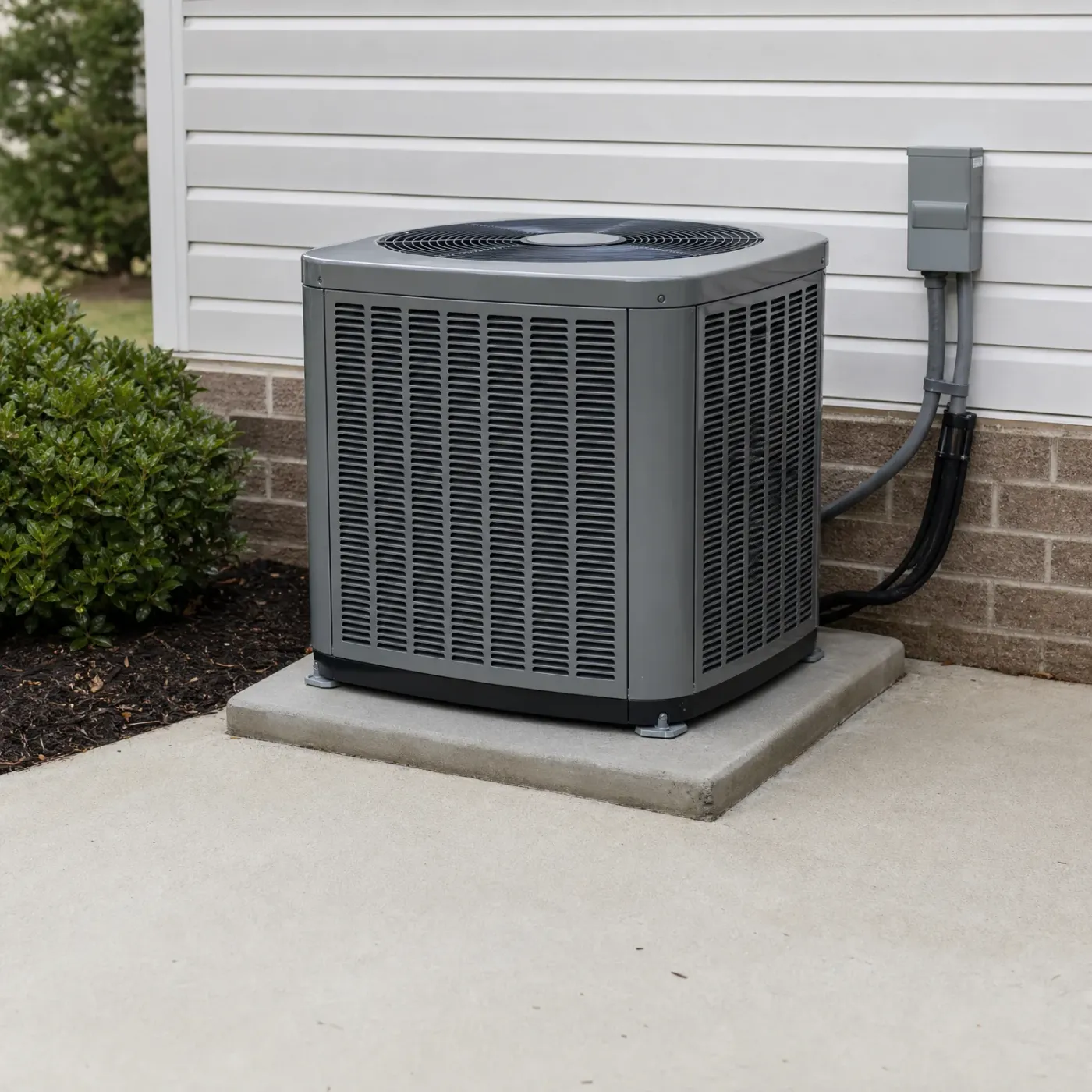
A gray outdoor air conditioner condenser unit on a concrete pad beside a house with white horizontal siding and a brick foundation, with a wall-mounted disconnect box and conduit, and a green shrub with mulch at left.

This is what clean looks like

The grille is clear, the siding around it is clean, and nothing's built up on top. Air moves through it the way it's supposed to, and the disconnect box on the wall stays quiet. A unit kept like this isn't the one that buzzes.

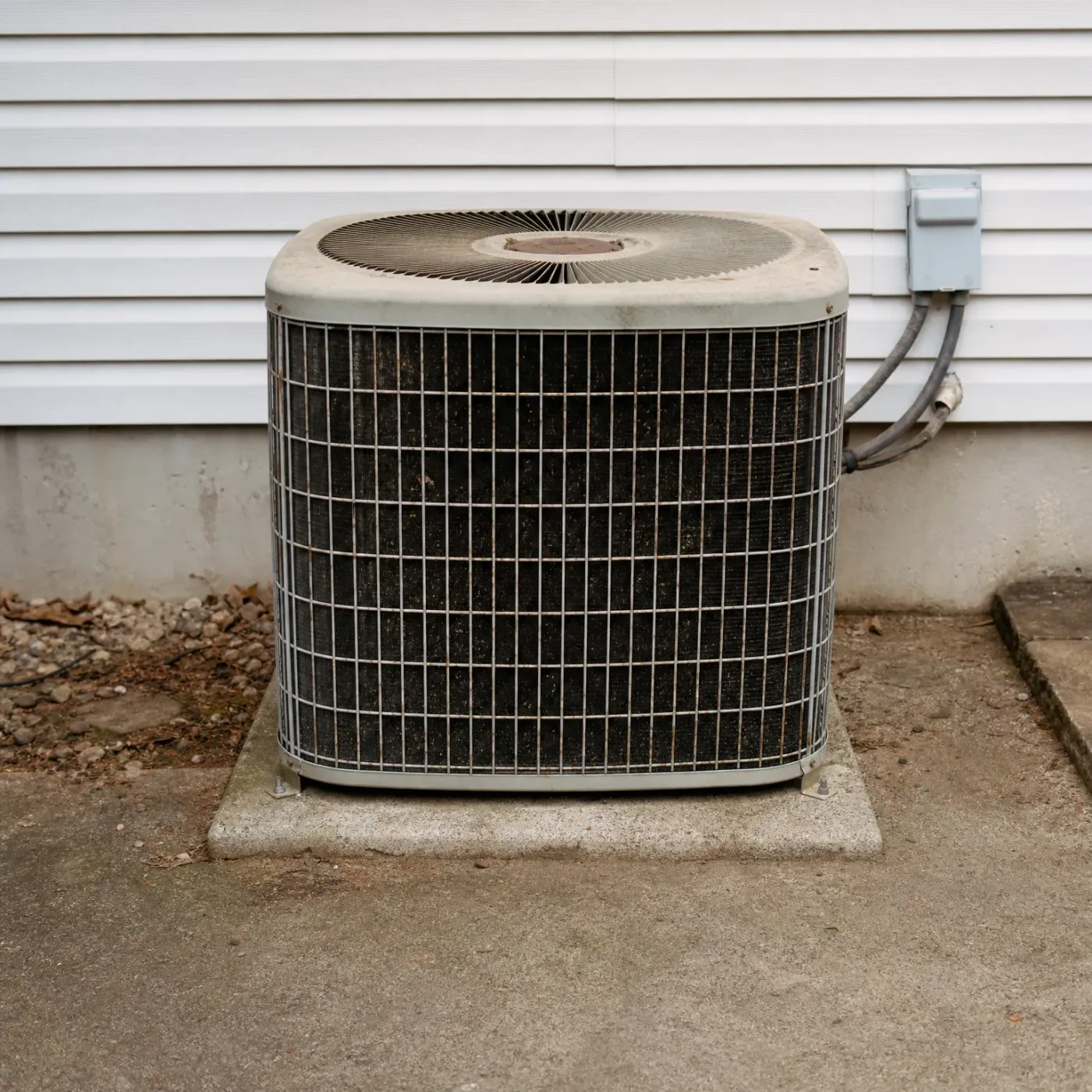
An outdoor air conditioning condenser unit on a concrete pad beside a house with white horizontal vinyl siding, with a gray electrical disconnect box and refrigerant lines on the wall behind it.

Years of grime add up to this

Dirt packed into the grille and crusted on the top cover means years of summer heat and debris with nothing clearing it out. That buildup strains the fan and the electrical parts behind the disconnect box, and a buzzing sound is often what shows up first.

A wooden table in the foreground holds a closed laptop and a ceramic mug of coffee, with a spindle-back wooden chair behind it, a beige wall with paneled wainscoting, a window at left, and a kitchen counter with a cutting board, bowl of fruit and greenery at right.

A buzzing AC is a part asking to be replaced before it takes the compressor with it

A buzz from your outdoor unit almost always traces back to a weak capacitor or a loose contactor, and neither gets better on its own. Left running, that strain moves to the compressor, which is the part you don't want to replace. A licensed Wisconsin contractor can listen to it, test it, and tell you which part is behind the sound.

That's the piece this page can hand you directly, instead of the usual run of finding someone: searching around, calling a few companies, explaining the same buzz to each one, then sitting with quotes trying to tell them apart. One local contractor, already familiar with what wears out on a condenser after a few Wisconsin summers, takes that work off your plate. You're left with the actual decision, which is whether to fix the part now or wait for it to take something bigger with it.

A dark ceramic mug on a round wooden table beside a light grey sofa with a woven cushion and knit throw, with a window, potted plant, floor lamp and wooden cabinet blurred in the background.
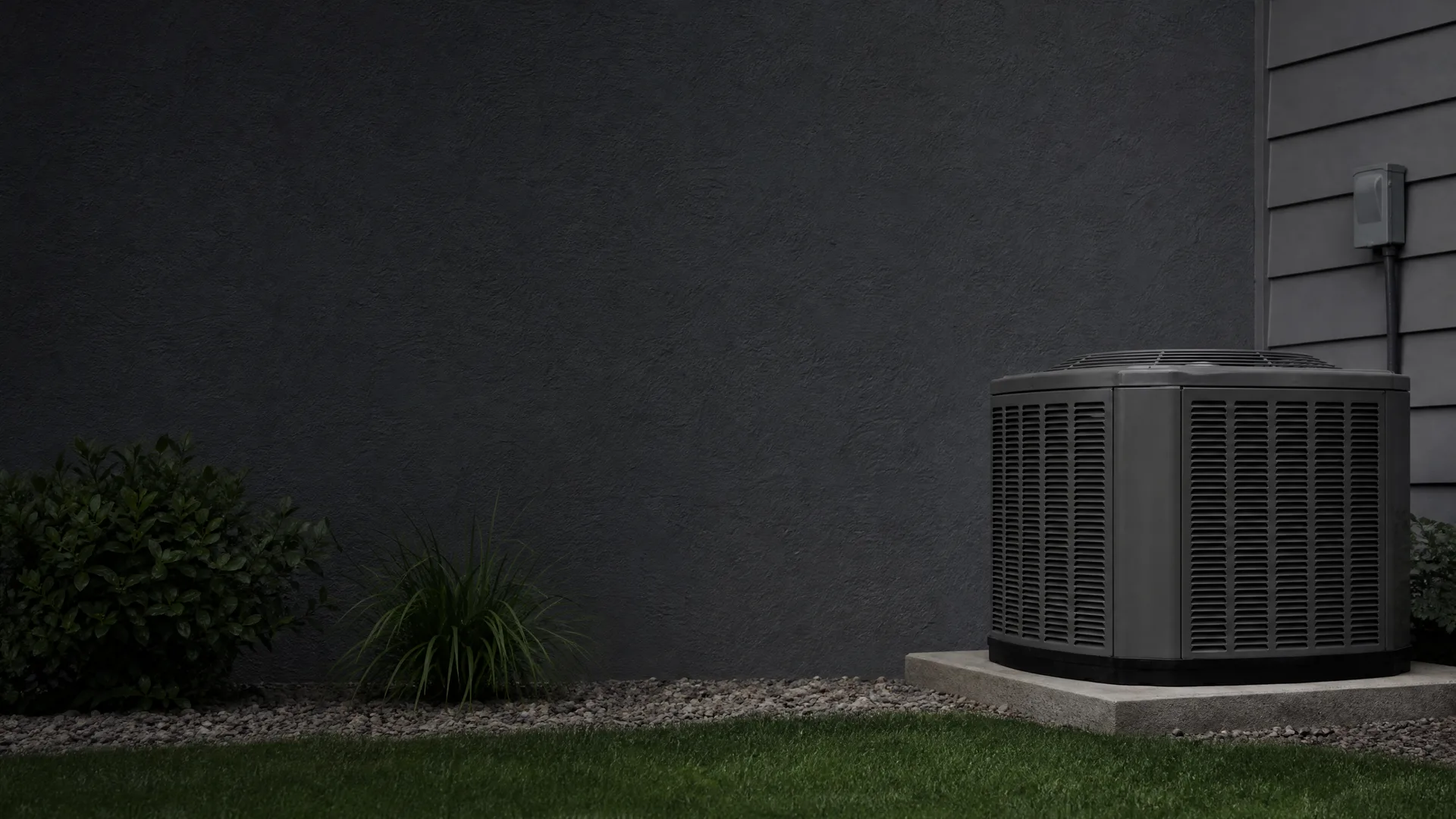
An outdoor air conditioning condenser unit on a concrete pad beside a dark stucco wall, with gravel bedding, shrubs, an ornamental grass clump, and a lawn in the foreground.

Describe it once

Your request stays with one local pro.

Step 1 of 3: Equipment